



Spinal cord injury can change a person's life in an instant, affecting movement, sensation, independence and everyday life. Through awareness, research and support, we can help build a greater understanding of spinal cord injury and the challenges faced by those living with it.
From traumatic injuries to conditions affecting the spinal cord from birth, every person's experience is different. By sharing stories and supporting research, we can contribute to a future with better understanding, treatment and outcomes for people living with spinal cord conditions.
What is a spinal cord injury?
The spinal cord is a vital part of the central nervous system, carrying messages between the brain and the rest of the body. It is responsible for transmitting signals that help control movement, sensation and many essential bodily functions.
A spinal cord injury occurs when the spinal cord is damaged, disrupting the communication between the brain and the body. The effects depend on the location and severity of the injury and can vary significantly from person to person.
Spinal cord injuries can be caused by trauma, such as a motor vehicle accident, fall or sporting injury. They can also occur as a result of medical conditions affecting the spinal cord.
The impact of spinal cord injury extends beyond physical movement. People may experience changes to sensation, pain, bladder and bowel function, temperature regulation and independence. The effects can also have a significant impact on families, relationships, employment and emotional wellbeing.
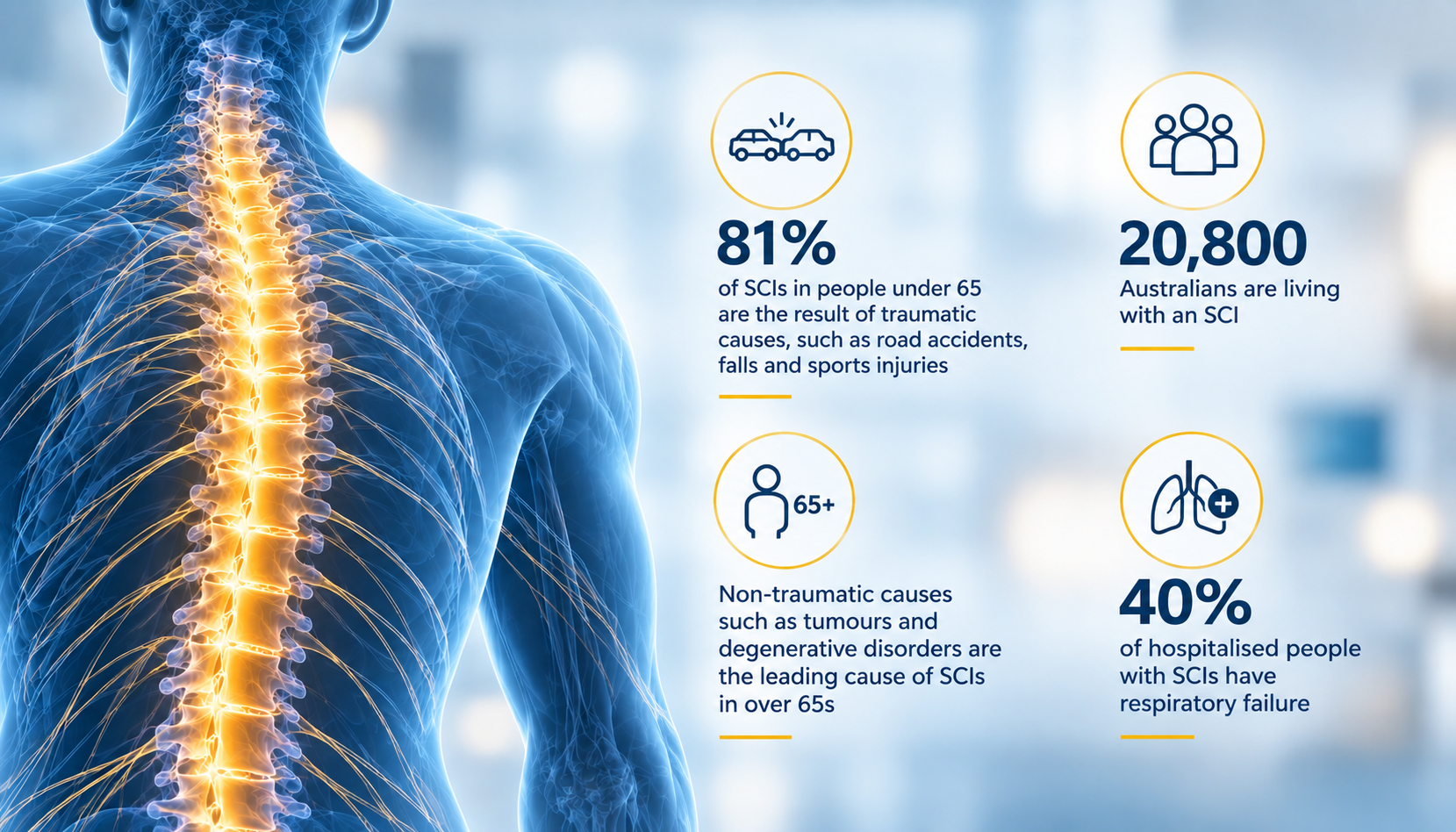
Spinal cord injury can affect almost every part of a person's life. From adjusting to changes in movement and independence to navigating accessibility, rehabilitation and ongoing care, the journey can involve challenges that are not always visible to others.
People living with spinal cord injury may also experience effects on internal bodily functions, including temperature regulation, bladder and bowel function and chronic pain.
Greater awareness helps challenge misconceptions about disability and encourages more inclusive communities where people have the opportunity to participate, connect and live independently.
Listening to the experiences of people living with spinal cord injury is an important part of building that understanding.
Every spinal cord injury journey is different. By sharing personal experiences, we can help raise awareness, build understanding and highlight the importance of research, specialist care and support.
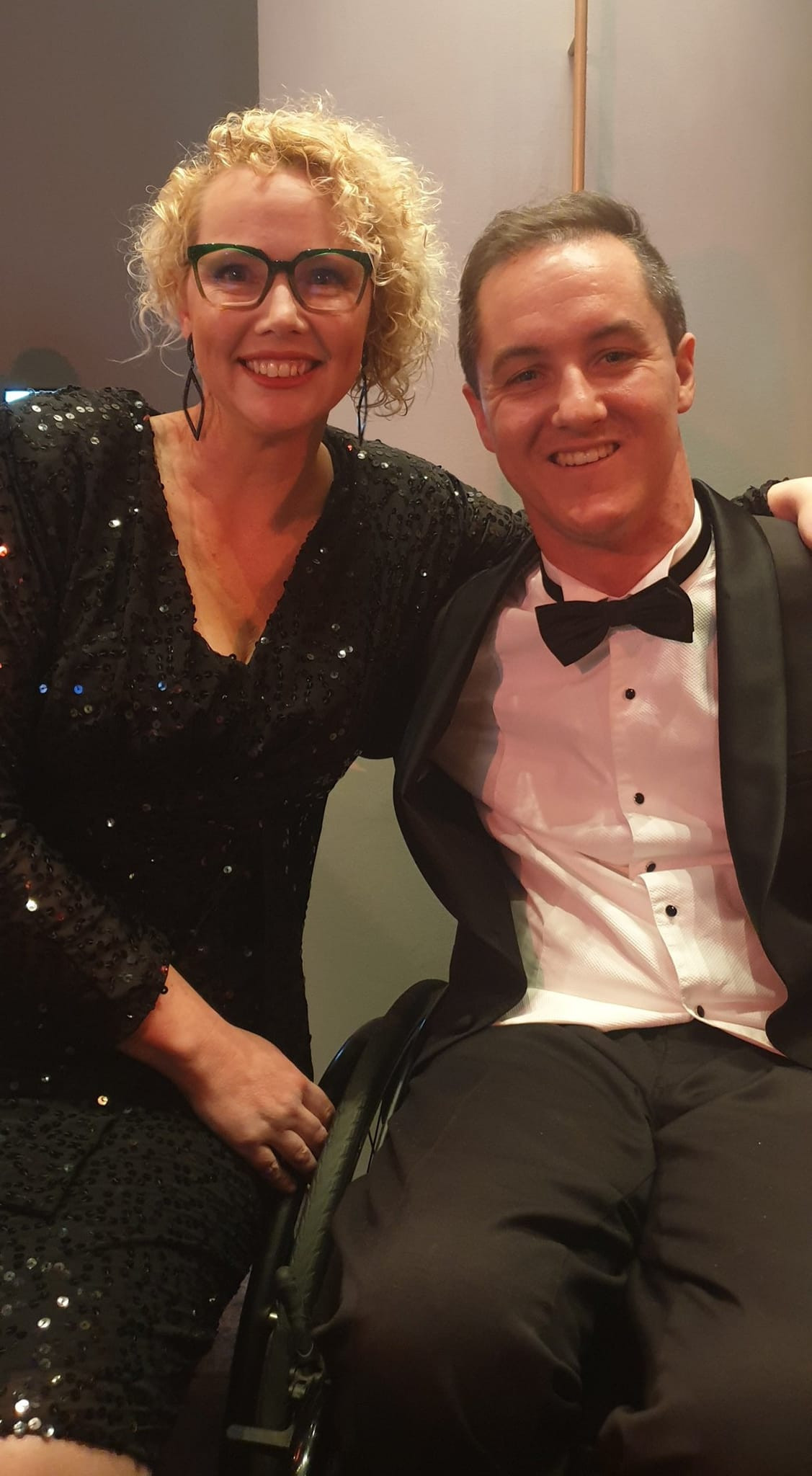
Charles Brice | A Story of Resilience, Awareness and Research
ABC News Breakfast reporter Charles Brice became a quadriplegic at just 19 years old following a motorbike accident that severely injured his spinal cord.
After spending months in hospital and 14 months in rehabilitation, Charles began rebuilding his life and discovering new possibilities. His experience has shaped his passion for disability awareness, accessibility and helping others understand the realities of living with spinal cord injury.
Charles co-founded Wheel To Walk, an initiative that has raised more than $300,000 for spinal cord injury research through handcycling challenges covering more than 600 kilometres.
As an invited speaker at the NRF 2022 NeuroConnect Gala Dinner, Charles shared his story and insights into rehabilitation, independence, accessibility and the importance of research.
Research plays an important role in improving our understanding of spinal cord injury, its effects and potential approaches to treatment.
NRF has supported research and equipment that helps scientists investigate neurological function, pain and the mechanisms underlying spinal cord injury. These projects contribute to the broader body of knowledge that may support better outcomes for people living with neurological conditions.
Equipement Funded by the NRF for SCI Research:
CatWalk TX Gait Analysis System
Understanding movement after neurological injury
Neurological diseases and injuries can significantly impair motor function. Understanding and measuring these changes in preclinical models is an important part of investigating potential treatments.
NRF funded a CatWalk TX Gait Analysis System, a state-of-the-art system that allows researchers to automatically measure key aspects of movement, including walking speed, stride patterns, pressure and coordination.
The equipment will support research into conditions including spinal cord injury, traumatic brain injury and stroke, helping researchers better understand motor deficits and examine potential interventions that may one day improve outcomes for people living with these conditions.
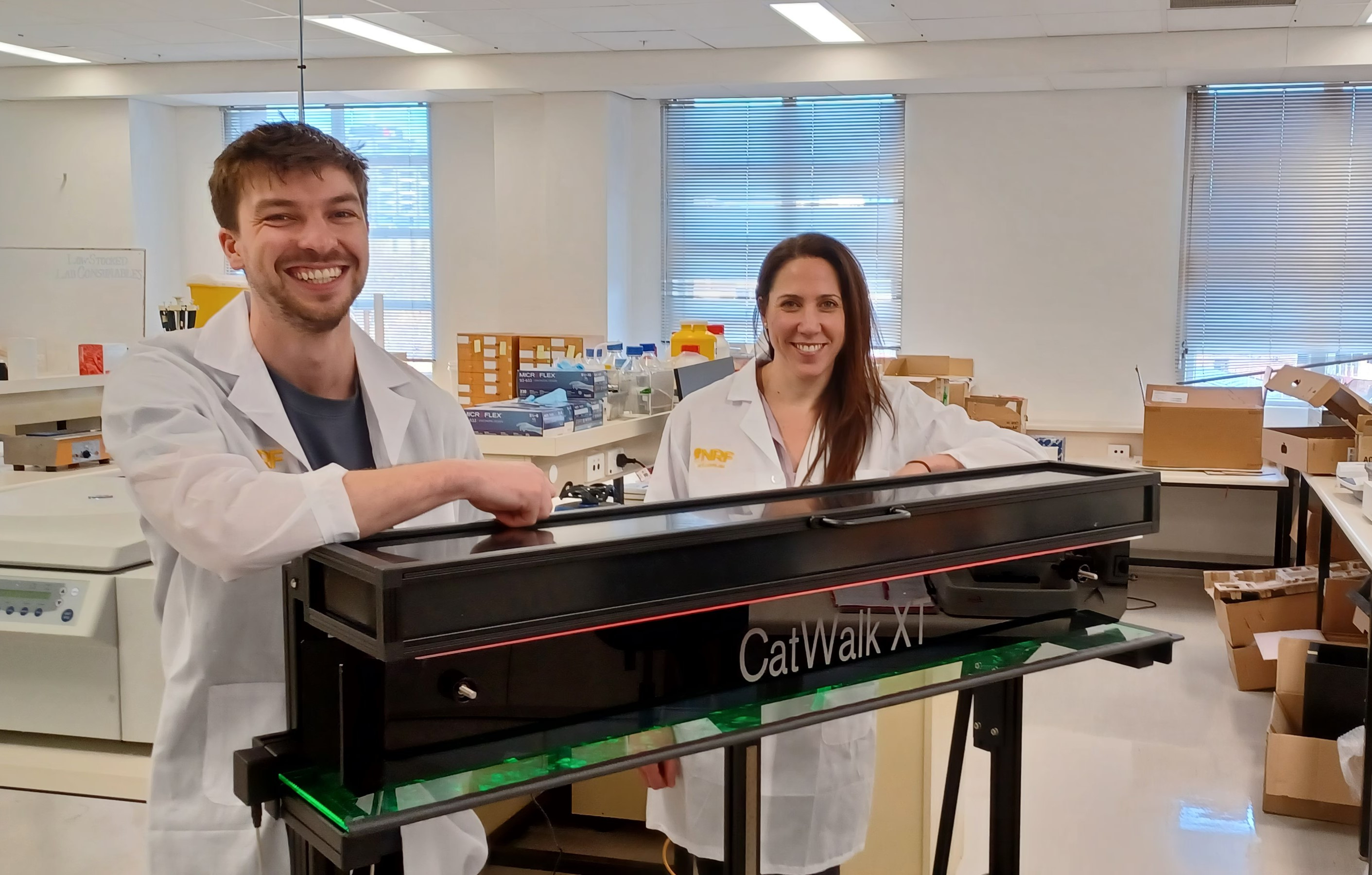
Pictured: Dr Ryan Dorrian and Dr Anna Leonard B.HlthSc (Hons)
Spinal cord injury can have lifelong consequences, and many questions about its effects and treatment remain unanswered.
Research helps scientists investigate how damage to the spinal cord occurs, how the nervous system responds and what approaches may help improve care and quality of life.
From understanding movement and neurological function to investigating chronic pain, research supported by NRF contributes to the ongoing pursuit of better knowledge and treatment options.
Every project, discovery and collaboration contributes to a larger effort to improve outcomes for people living with neurological conditions.
Breakthroughs start with you.
Research takes time, collaboration and investment. By supporting NRF, you can help contribute to research into neurosurgical conditions and the development of knowledge that may improve outcomes for patients and their families.
There are many ways to support our work, whether through making a donation, fundraising, purchasing awareness merchandise or simply helping us spread the word.
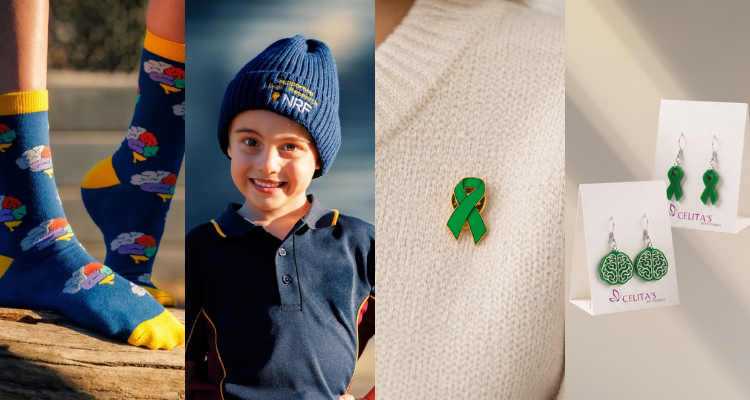
Show Your Support Through Merchandise
Explore our range of awareness merchandise, including earrings, badges, socks and beanies. Every purchase helps raise awareness and support the work of the Neurosurgical Research Foundation.

