

A brain aneurysm is a weak or thin area in an artery in the brain that can bulge as blood flows through it. While many brain aneurysms never cause symptoms or problems, understanding them is an important part of improving brain health and care.
This Aneurysm Awareness Month, we're shining a light on brain aneurysms and the research helping us learn more about why they develop, how they can be detected and monitored, and how treatment can continue to improve.
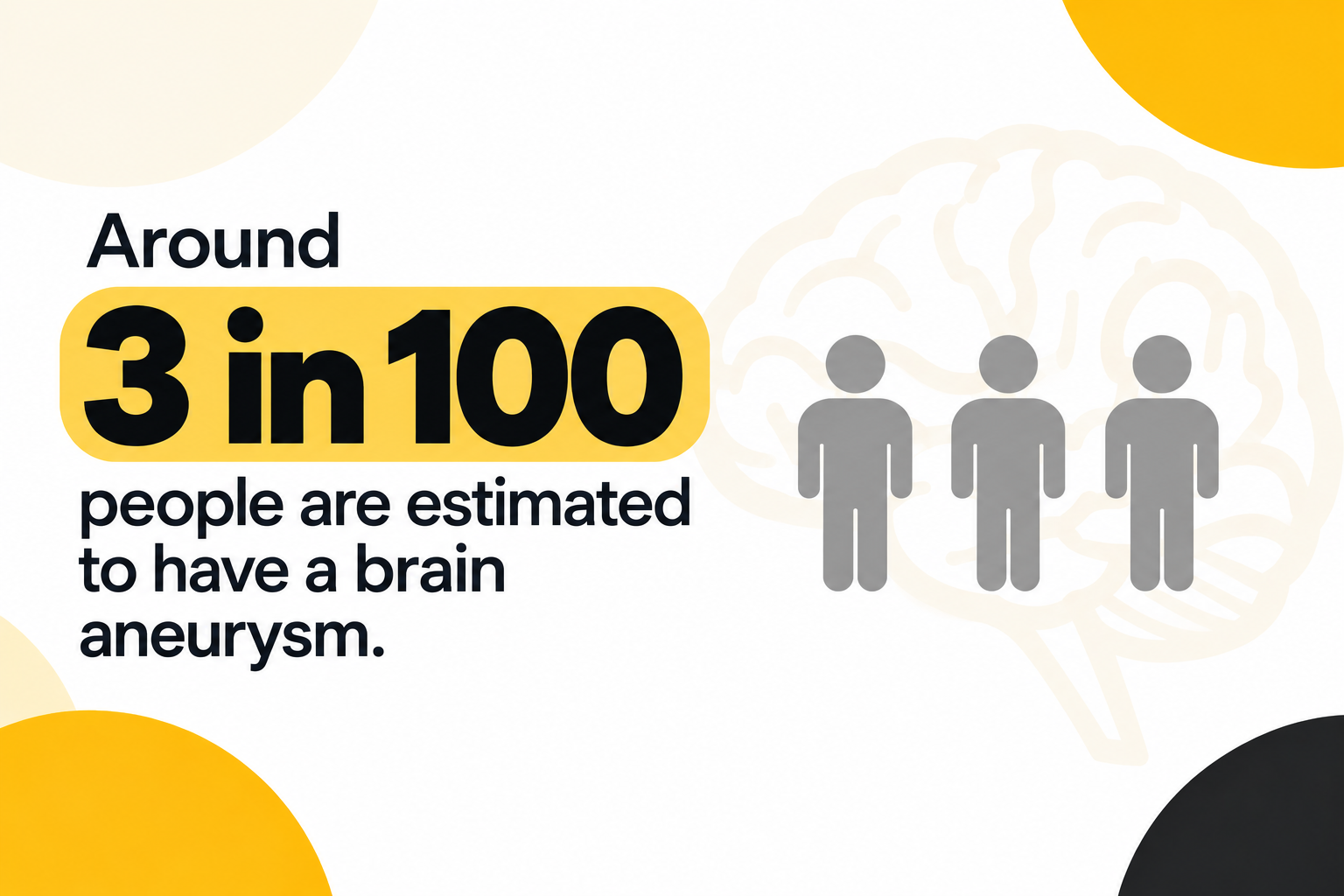
Around 3 in 100 people are estimated to have a brain aneurysm.
Many people with an unruptured brain aneurysm don't know they have one, which is one of the reasons research and awareness are so important.
The more we understand, the more opportunities there are to improve the way brain aneurysms are identified, treated and managed.
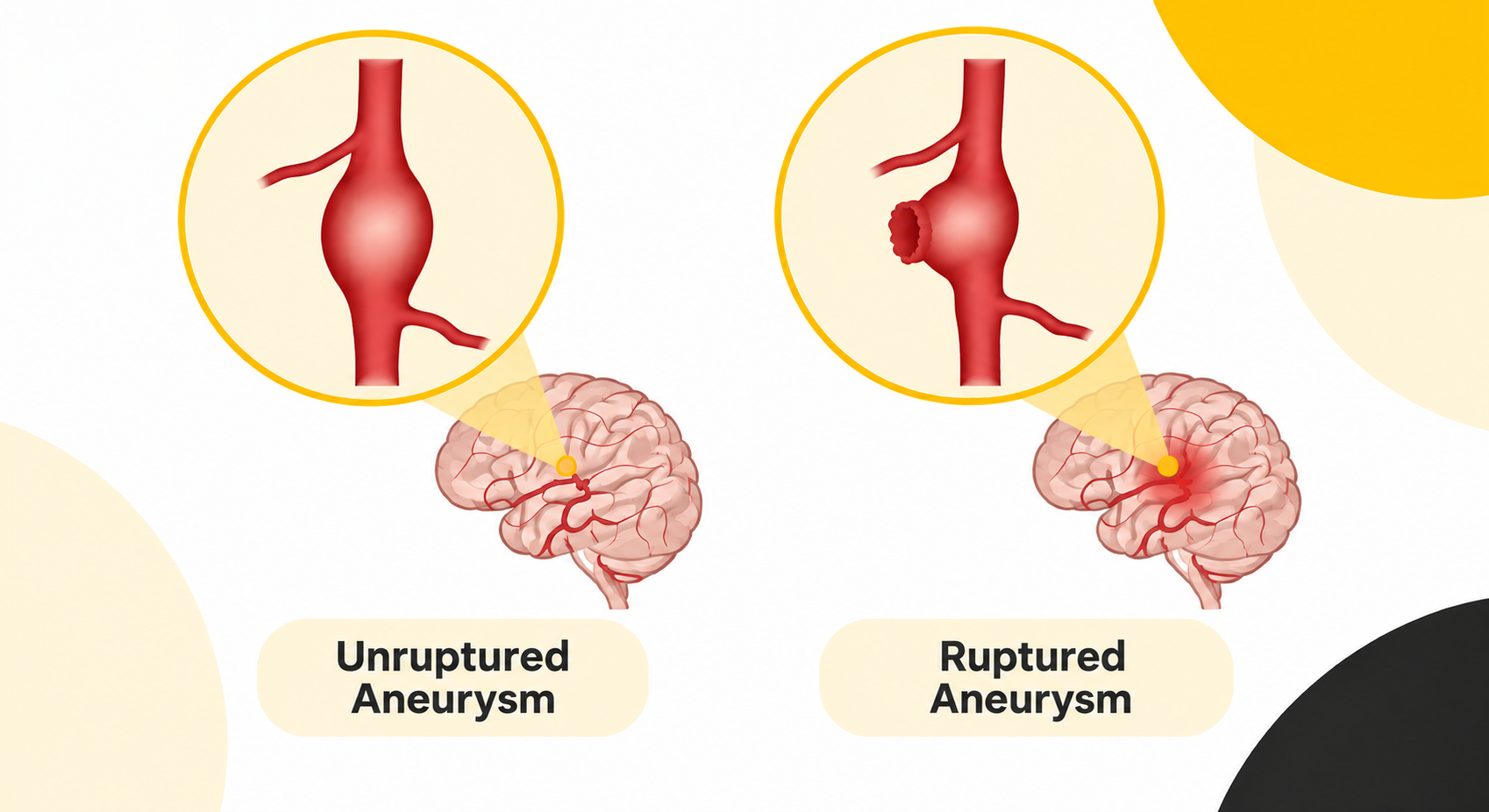
A brain aneurysm is a bulging, weakened area in the wall of an artery in the brain.
You can think of it like a weak spot in a balloon. As blood flows through the artery, the weakened area can stretch and bulge.
In some cases, an aneurysm can rupture and cause bleeding around the brain, known as a subarachnoid haemorrhage.
Understanding what causes aneurysms and why some rupture while others don't is an important area of ongoing research.
Researcher: Dr Jorn Van Der Veken
NRF Funding: $25,000
Project: Aneurysm / Stroke Extension 2025
Understanding the impact of aneurysm treatment on brain function
Intracranial aneurysms are bulges in the walls of blood vessels in the brain, affecting approximately 2–3% of the population. While advances in treatment have improved care, the potential impact of preventative aneurysm treatment on cognition and brain function remains insufficiently understood.
Led by Dr Jorn Van Der Veken, this research investigates neuropsychological outcomes following elective treatment of anterior communicating artery aneurysms. The study explores whether advanced imaging analysis (radiomics) and the study of biological markers (proteomics) can help predict patient outcomes.
Additional NRF funding of $25,000 will support the expansion of this research across both the Royal Adelaide Hospital and Flinders Medical Centre, building on previous support of $50,000 from NRF and $40,000 from the Brain Foundation.
Why this research matters
By improving our understanding of the cognitive effects of preventative aneurysm treatment, this research aims to help clinicians better identify suitable patients, support informed treatment decisions and improve outcomes for people living with brain aneurysms.

Pierina & Daniela: Turning a frightening brain injury into hope
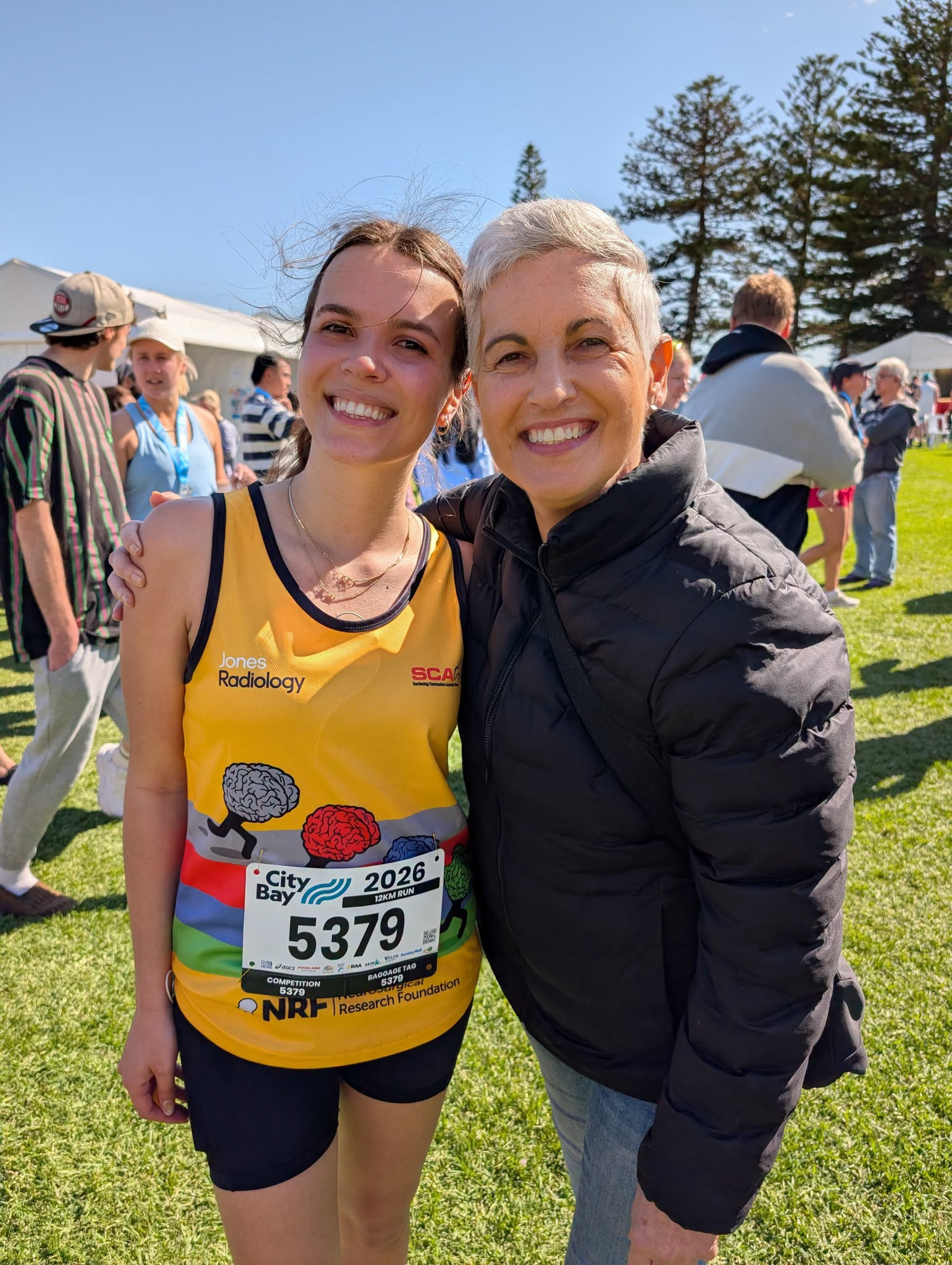
After her mum, Pierina, suffered a ruptured brain aneurysm and a serious brain bleed, Daniela witnessed firsthand the devastating impact of neurological conditions on families.
Now, she’s stepping well outside her comfort zone to take on the 12km City-Bay, raising funds for vital neurosurgical research and hoping to help give other families hope for the future.
Read Daniela and Pierina’s story and support Daniela’s fundraising efforts today.
Behind every research project is a question waiting to be answered.
With the support of our community, researchers can continue exploring new ideas, building knowledge and working towards better ways to understand and treat conditions affecting the brain.

