


Research That Makes a Difference
This ASMR Medical Research Week, discover how NRF support is advancing pituitary tumour research and helping bring new discoveries closer to patients.
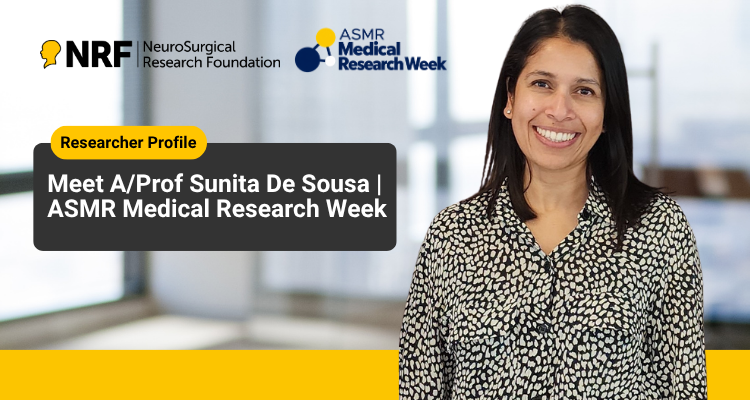
This ASMR Medical Research Week, we’re shining a spotlight on the innovative research helping pave the way for more precise, personalised care for people with pituitary tumours.
Pituitary tumours affect far more people than many realise, with the potential to cause headaches, vision loss and significant hormonal complications. While some require urgent intervention, many people live with the effects of their tumour and its treatment for years or even decades.
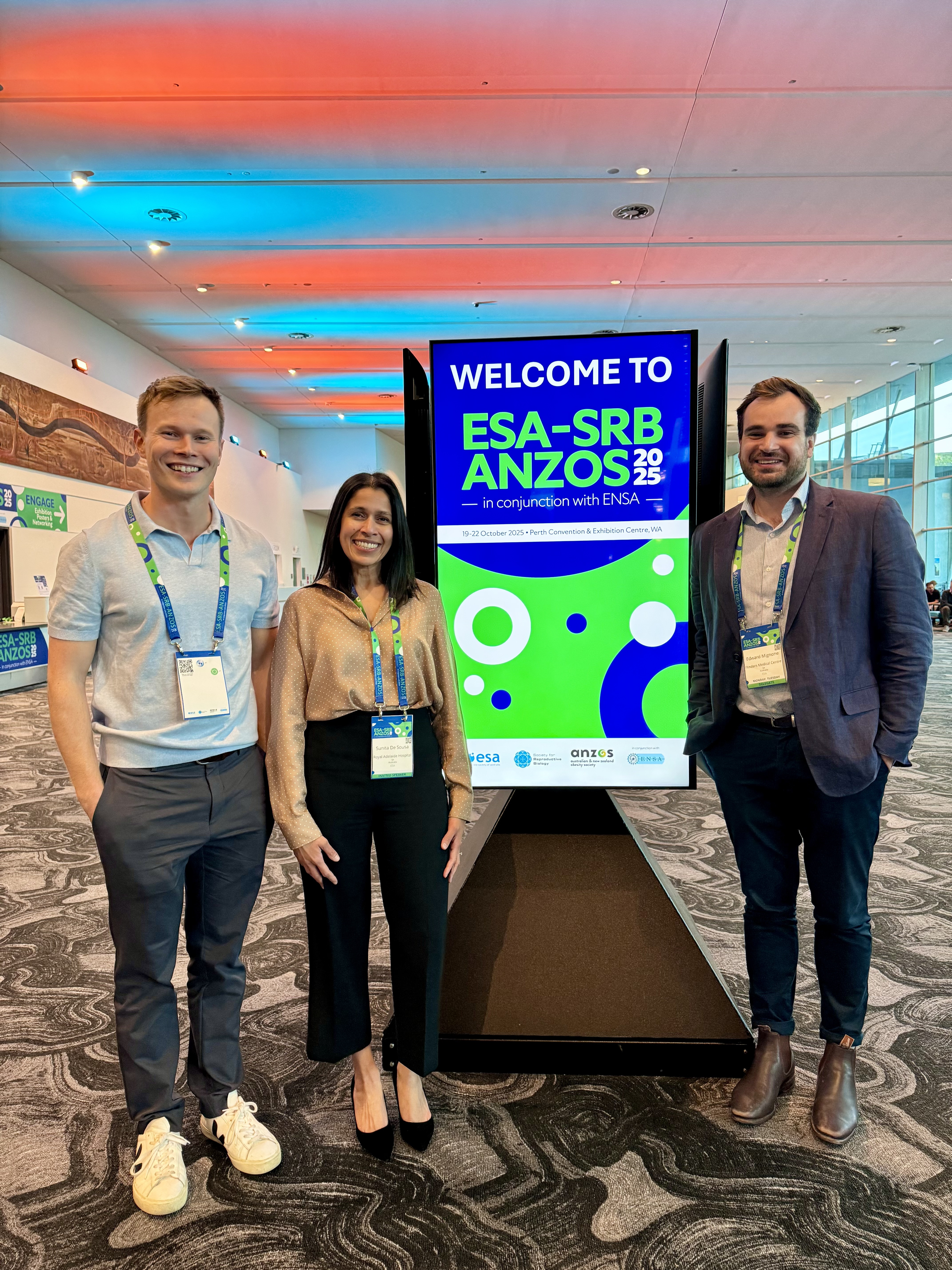
For A/Prof Sunita De Sousa, Consultant Physician in Endocrinology and Clinical Genetics at the Royal Adelaide Hospital and Research Academic at Adelaide University, improving patient outcomes starts with understanding the challenges people face in clinical practice.
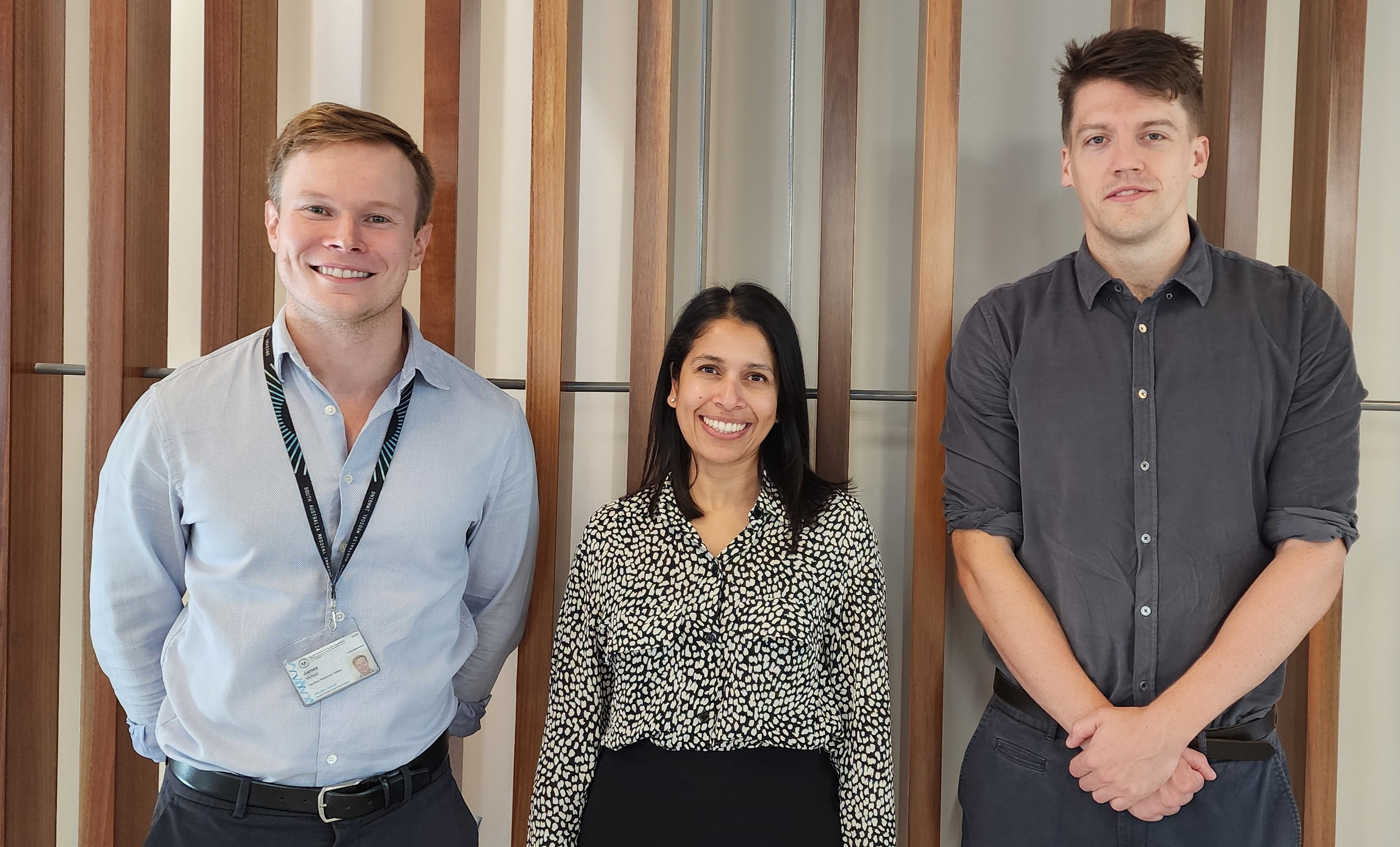
As Chair of the South Australian Pituitary Research Group, Sunita brings together specialists across endocrinology, neurosurgery, ENT surgery, radiation oncology, clinical genetics, nuclear medicine, radiology and pathology to investigate pituitary tumours from multiple perspectives, including genetics, imaging, surgery and medical treatment.
Her work as a clinician-scientist means research questions are informed directly by the patients she sees in clinics and on the ward. The group's multidisciplinary expertise includes endocrinologists Dr Edward Mignone and Dr James McNeil, neurosurgeon Dr Christopher Ovenden, and ENT surgery expert Professor Alkis Psaltis. Postdoctoral scientist Dr Alexandra Sorvina and the group's PhD candidates, including both surgeons and physicians, also play important roles in advancing its research.
"Our goal is to improve every stage of care for people with pituitary tumours: better diagnosis, treatment, surveillance and prediction of outcomes," A/Prof Sunita De Sousa explains.
Rethinking Pituitary Tumour Treatment
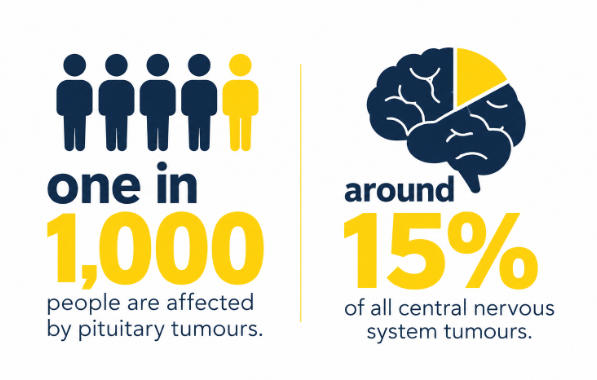
Pituitary tumours affect approximately one in 1,000 people and account for around 15% of all central nervous system tumours. Their effects can extend well beyond the tumour itself, disrupting hormone production and affecting a person's health and quality of life.
The South Australian Pituitary Research Group is investigating several innovative approaches to improve patient care.
One area of research explores fluorescence-guided surgery, with the aim of helping surgeons distinguish tumour tissue from the normal pituitary gland during an operation. Improving this distinction could help surgeons remove tumours while preserving healthy tissue.
The team is also testing a world-first scan designed to identify pituitary tumours and help predict which patients are likely to respond to treatment.
Artificial intelligence is another important focus, with researchers investigating how AI could support the diagnosis and treatment of hormone-secreting tumours, including Cushing's disease, acromegaly and prolactinoma.
Alongside these approaches, the group is investigating the genetic factors that contribute to pituitary tumours. Its research has helped establish links between pituitary tumours and genes including CHEK2 and PAM, contributing to a growing understanding of the genetic factors involved in these conditions.
Together, these projects aim to build a more complete picture of pituitary tumours and identify opportunities to make care more effective and personalised.
Transforming Patient Care
Looking ahead, the team hopes to see pituitary care become increasingly precise, with earlier diagnoses, safer and more effective surgery, and genetic testing to help identify families who may be at increased risk.
Expanding the group's pituitary registry and strengthening collaborations with interstate and international researchers are also key priorities.
The group's research has already contributed to international clinical guidelines, demonstrating how research undertaken in South Australia can help shape clinical practice beyond our state.
For patients, the potential benefits are significant. Earlier diagnosis and treatments tailored to the individual could improve long-term health outcomes, reduce complications and help people maintain a better quality of life.
"Earlier diagnosis, safer surgery and treatments matched to the individual can make a real difference to their long-term health and quality of life."
How NRF Is Helping Advance Research
The progress of the South Australian Pituitary Research Group has been supported by the generosity of NRF and its donors.
NRF funding has contributed to research spanning surgery, imaging, artificial intelligence and genetics, while also helping develop the next generation of medical researchers through the Abbie Simpson Clinical Fellowship, NRF Vacation Scholarship and NRF Personnel Grant.
Importantly, NRF's 2026 funding has enabled the appointment of a dedicated pituitary basic scientist. This will allow the team to investigate clinical questions in the laboratory, strengthening the connection between discoveries made through patient care and the scientific research needed to turn those findings into practical improvements.
This connection between laboratory research and clinical practice is essential to advancing our understanding of pituitary tumours and identifying new opportunities to improve patient outcomes.
"The generous support of the NRF has been vital to our progress," Sunita says.
"We're enormously grateful to the NRF and its donors and hope that we can translate our research findings into tangible clinical improvements to benefit patients and their families in South Australia and beyond."
With the support of NRF and other funders, the South Australian Pituitary Research Group continues to advance research aimed at improving diagnosis, treatment and long-term outcomes for people living with pituitary tumours.
To learn more about the SA Pituitary Research Group and its activities, or if you are a researcher or clinician interested in collaborating, please contact info@nrf.com.au.
