



From Ideas to Clinical Trials: Celebrating Research Impact at NRF’s 60th AGM
Celebrating the researchers, discoveries and clinical trials changing the future of brain and spine health in South Australia thanks to your support.
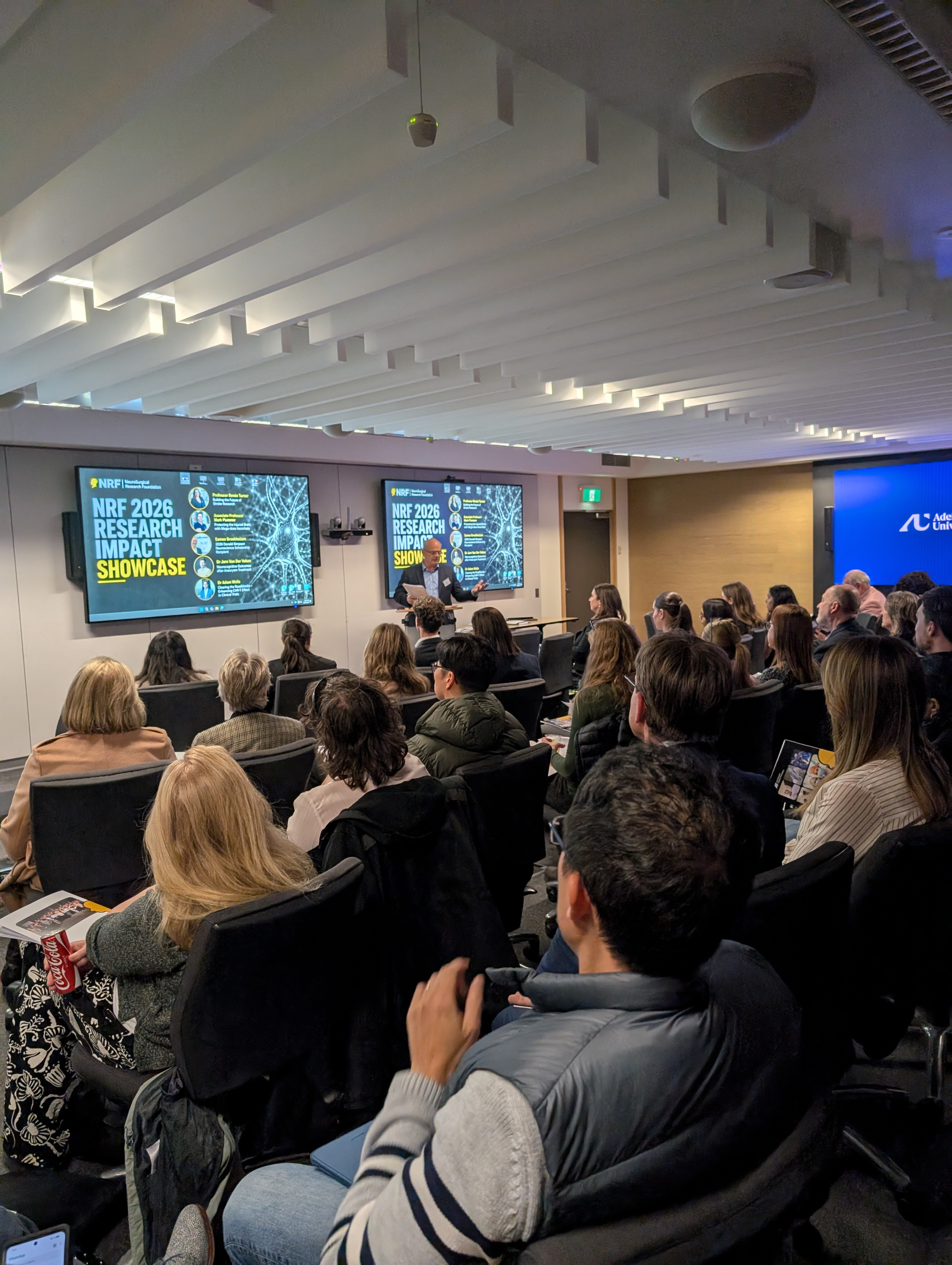
Researchers, supporters and members of the South Australian neuroscience community came together for the NRF’s 2026 Research Impact Showcase and 60th Annual General Meeting, celebrating another milestone year for brain and spine research.
Held at Adelaide University on Wednesday 9 September, the evening provided a powerful snapshot of the progress being made across traumatic brain injury, brain tumours, stroke, aneurysm and neurodegenerative disease — and the impact that research funding can have over time.
NRF President Dr Nick Vrodos reflected on just how far the Foundation has come. From a time when decisions over how best to allocate $60,000 could be difficult, the NRF has grown to invest more than $2.1 million in research and patient support in 2025/26.
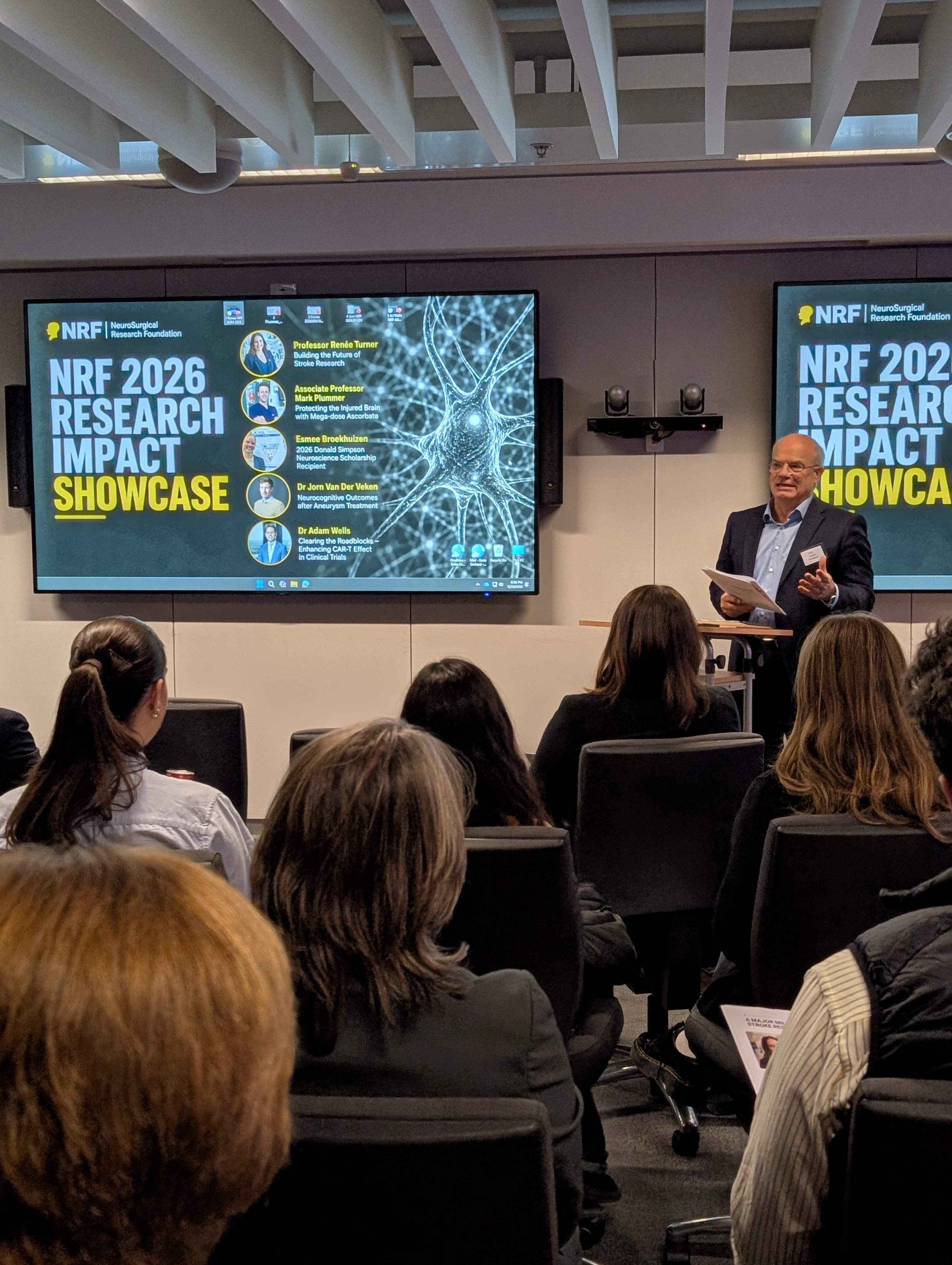
It was a fitting theme for an evening that demonstrated how early research support can grow into larger programs, national funding, clinical trials and ultimately new opportunities for patients.
From citrus to clinical trial - can vitamin C protect the injured brain?
Associate Professor Mark Plummer shared the remarkable progress of research investigating mega-dose sodium ascorbate — a specially formulated form of Vitamin C — as a potential treatment for traumatic brain injury.
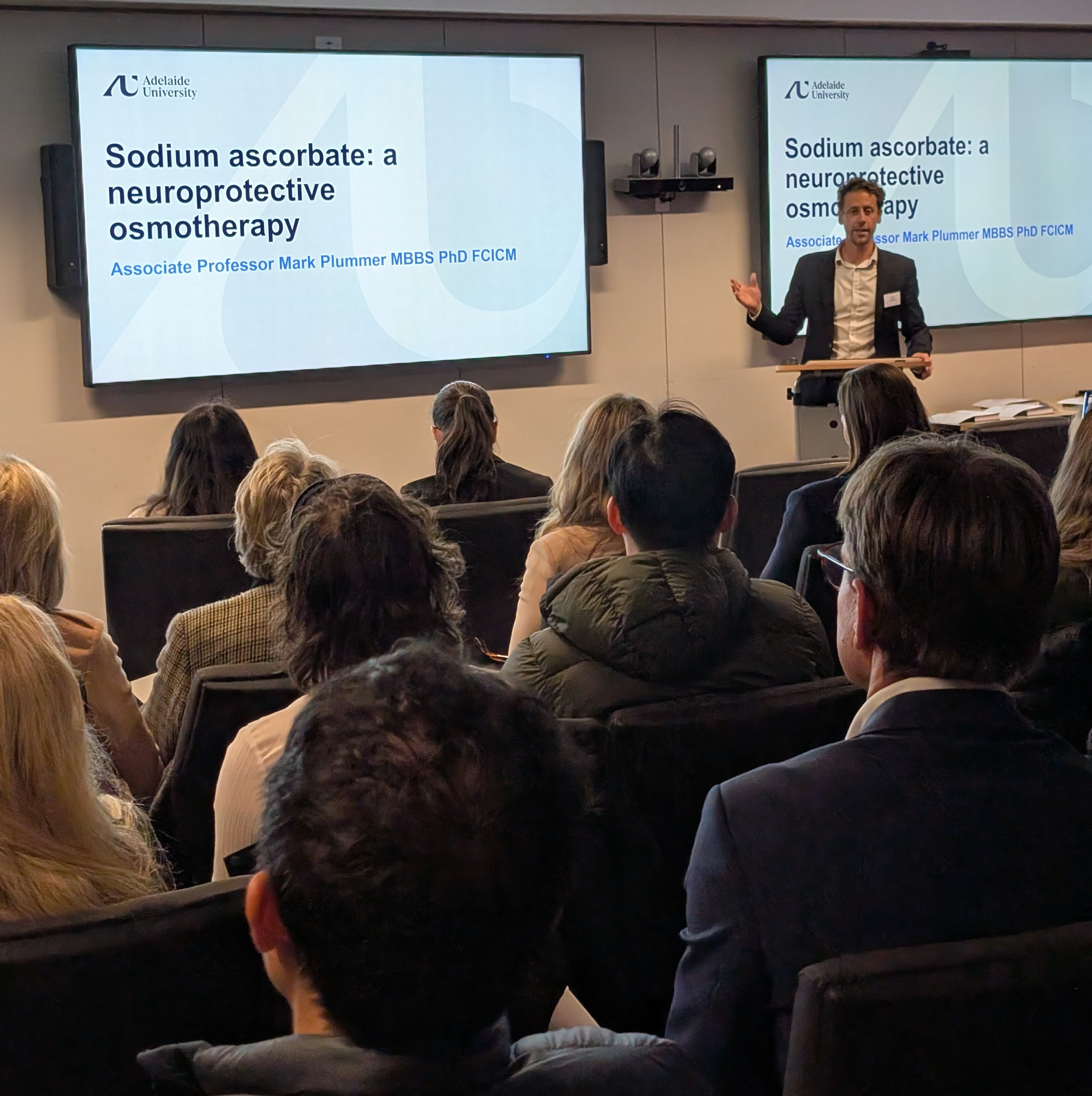
Following a serious brain injury, swelling and changes within the injured brain can cause further damage. The research is investigating whether sodium ascorbate can help control this dangerous swelling while also protecting vulnerable brain tissue.
After promising results in preclinical models, the research has now progressed to a first-in-human Phase 1 clinical study at the Royal Adelaide Hospital, with the first patient recruited.
The team is now working towards the next stage of research and hopes to progress the treatment into a larger Phase 2 trial nationally.
It is an extraordinary example of what can happen when promising ideas are given the opportunity to grow.
Bringing CAR-T therapy to glioblastoma patients
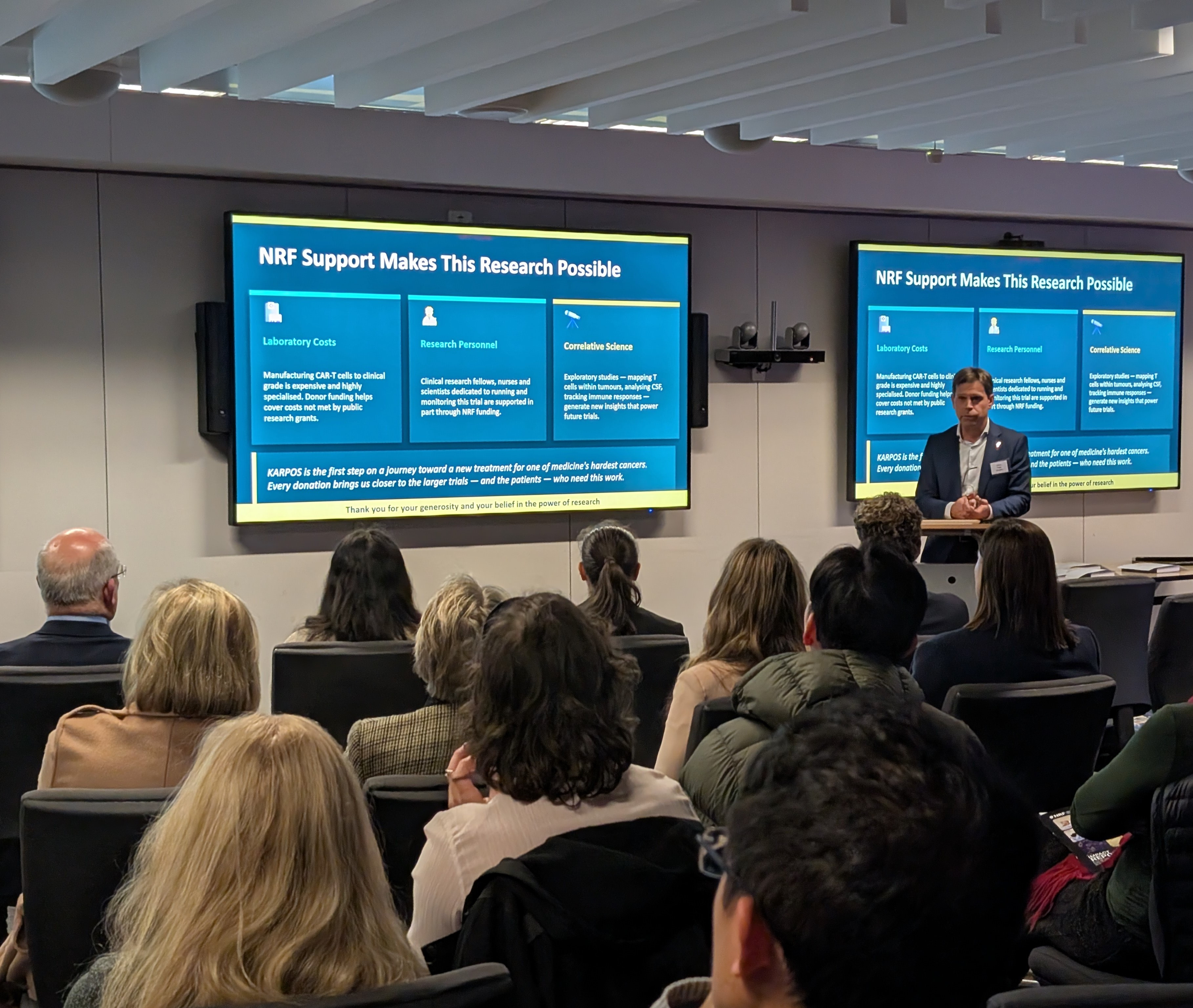
Dr Adam Wells provided an update on the KARPOS clinical trial investigating CAR-T cell immunotherapy for people with recurrent glioblastoma.
Glioblastoma remains one of the most difficult brain cancers to treat. Standard treatment has changed relatively little over decades and, despite aggressive surgery, radiotherapy and chemotherapy, the disease almost inevitably recurs.
CAR-T therapy takes a patient's own immune cells and modifies them to recognise and attack cancer cells.
The Phase 1 KARPOS trial at the Royal Adelaide Hospital is testing GD2-targeting CAR-T cells in adults with recurrent glioblastoma, delivering the therapy directly into the cerebrospinal fluid to bypass the blood-brain barrier, while investigating the use of additional medicines to produce a sustained anti-tumour response.
Importantly, NRF support has fuelled this work right from the beginning - from the manufacturing of the CAR-T cells, to vital research personnel and equipment, to enrolling the very first patients right here in Adelaide.
For Dr Wells, the progress is particularly significant: the concept was discussed at an NRF AGM several years ago. Today, patients are receiving the therapy through a clinical trial here in Adelaide.
Looking beyond whether surgery was technically successful
Dr Jorn Van Der Veken challenged the audience to think differently about what constitutes a good outcome after neurosurgery.
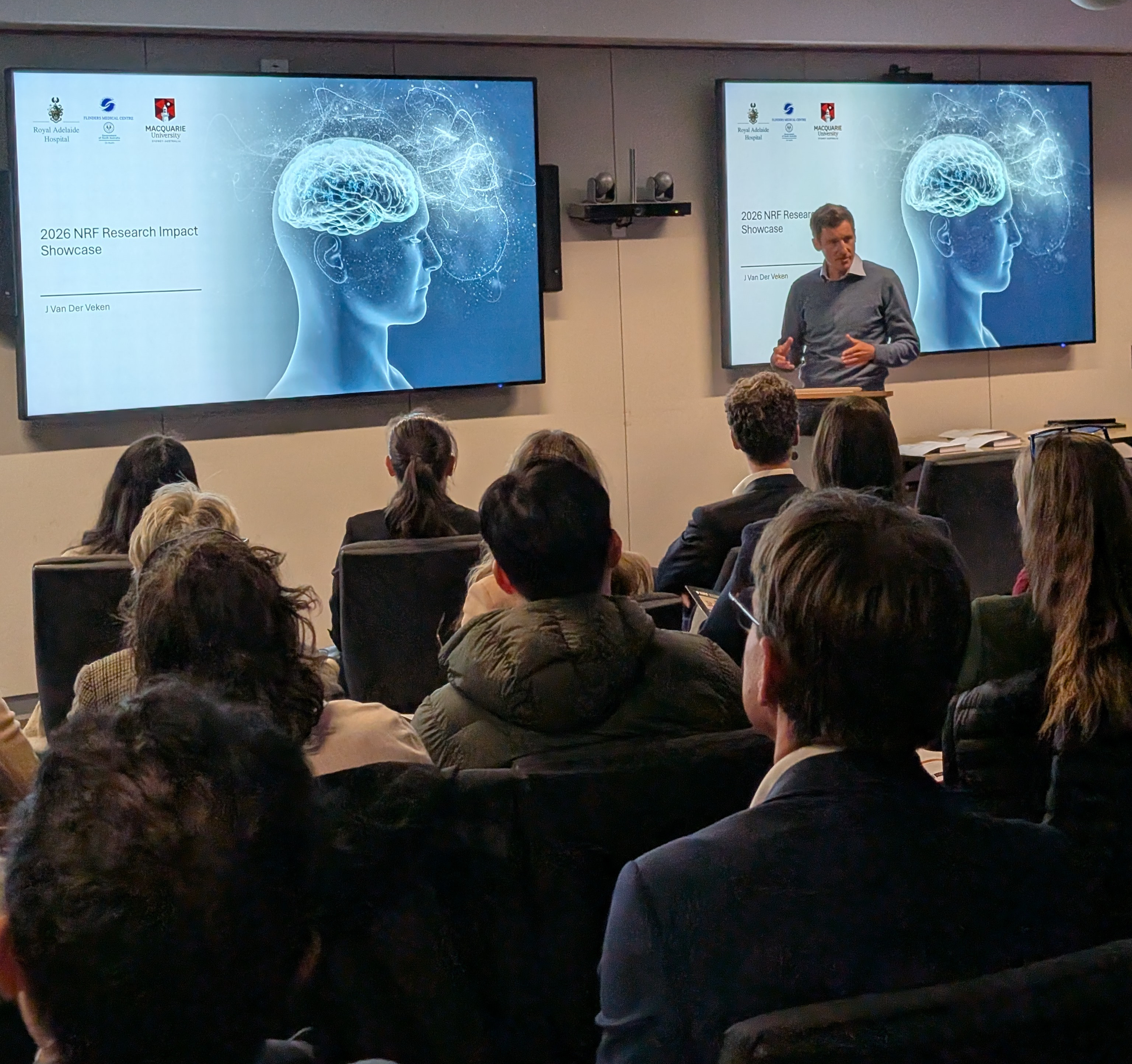
His NRF-supported research is examining patients undergoing elective treatment for brain aneurysms and asking an important question: can we better predict how an individual patient's brain will respond to treatment?
While preventing a major complication such as stroke is critical, patients may also experience more subtle changes to cognition, memory, attention and other aspects of everyday functioning.
The study is assessing patients before treatment and again after surgery, combining neuropsychological testing with advanced imaging and other biological information.
The team is also collaborating with researchers at the University of Technology Sydney on the use of EEG and artificial intelligence to analyse the brain's electrical activity and investigate concepts such as brain resilience and brain reserve.
Ultimately, the goal is to give clinicians and patients better information when weighing the potential risks and benefits of treatment.
Building the future of stroke research
Professor Renée Turner also shared the next chapter of NRF-supported stroke research.
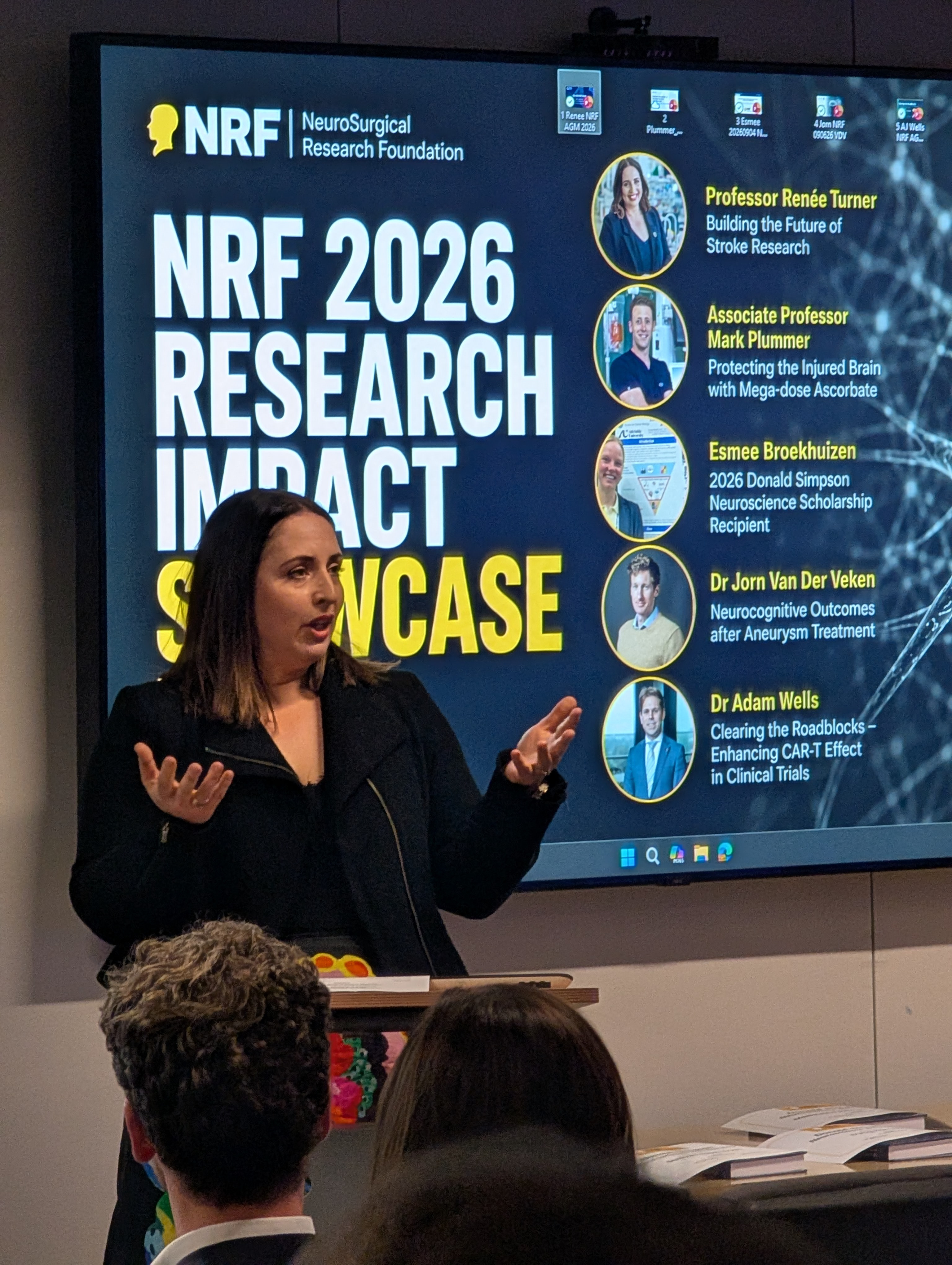
Her team is investigating why some people experience ongoing cognitive decline and neurodegeneration following stroke — including taking a beyond-the-brain approach exploring the potential role of the gut microbiome and the gut-brain axis.
The research has now attracted major national competitive funding securing a 5 year $3.518M NHMRC Ideas grant, demonstrating once again how early investment can help promising research grow in scale and impact. The NRF is also contributing an additional $500k over 5 years supporting purchase of essential research equipment and salary to retain skilled post-doctoral researchers.
Supporting the next generation
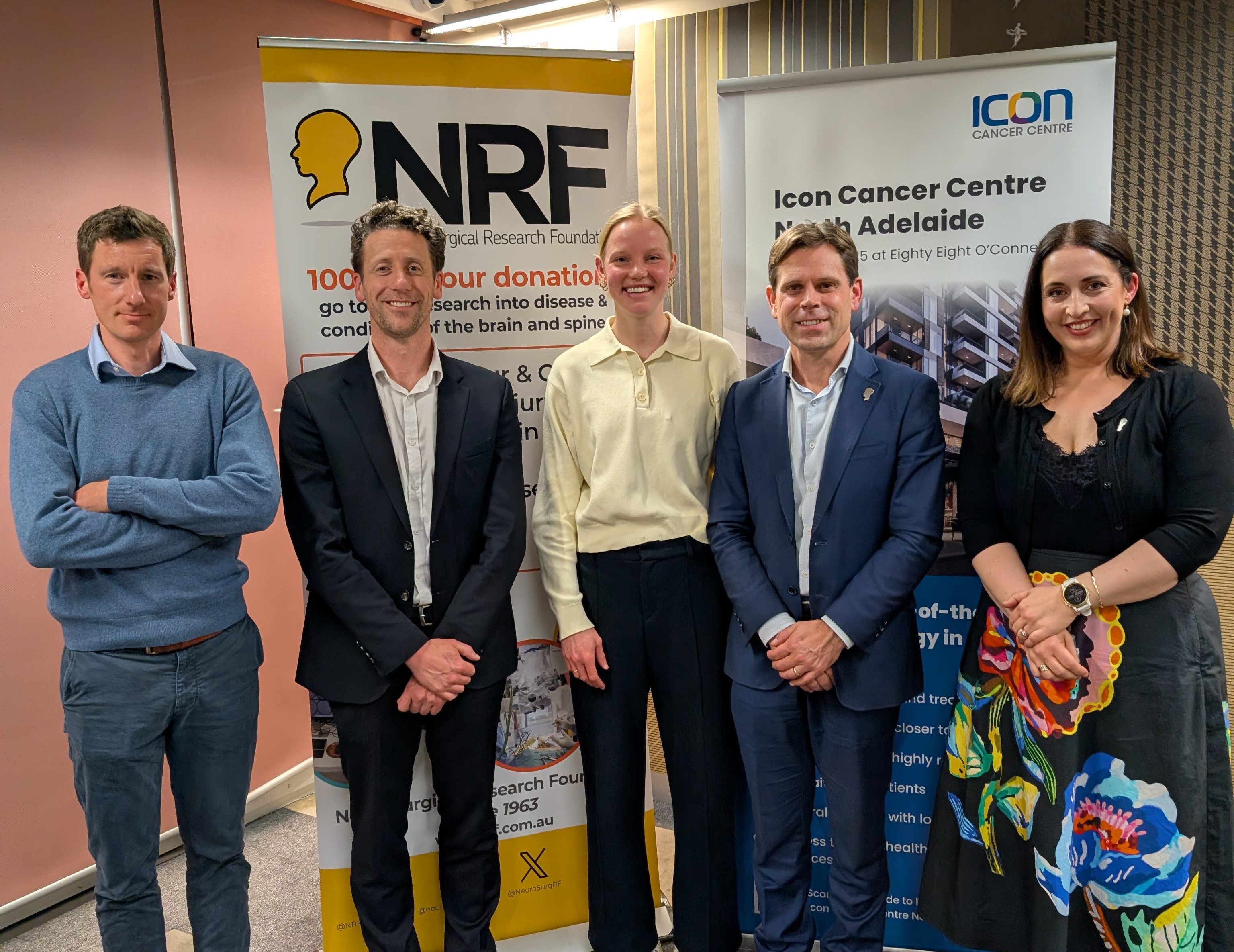
The evening also celebrated the recipients of the 2026 Donald Simpson Neuroscience Scholarship, continuing the NRF's commitment to supporting emerging researchers and helping them build the knowledge, connections and experience needed to advance their work. The awards were presented by Past-NRF President Dr Glenn McCulloch (pictured middle).
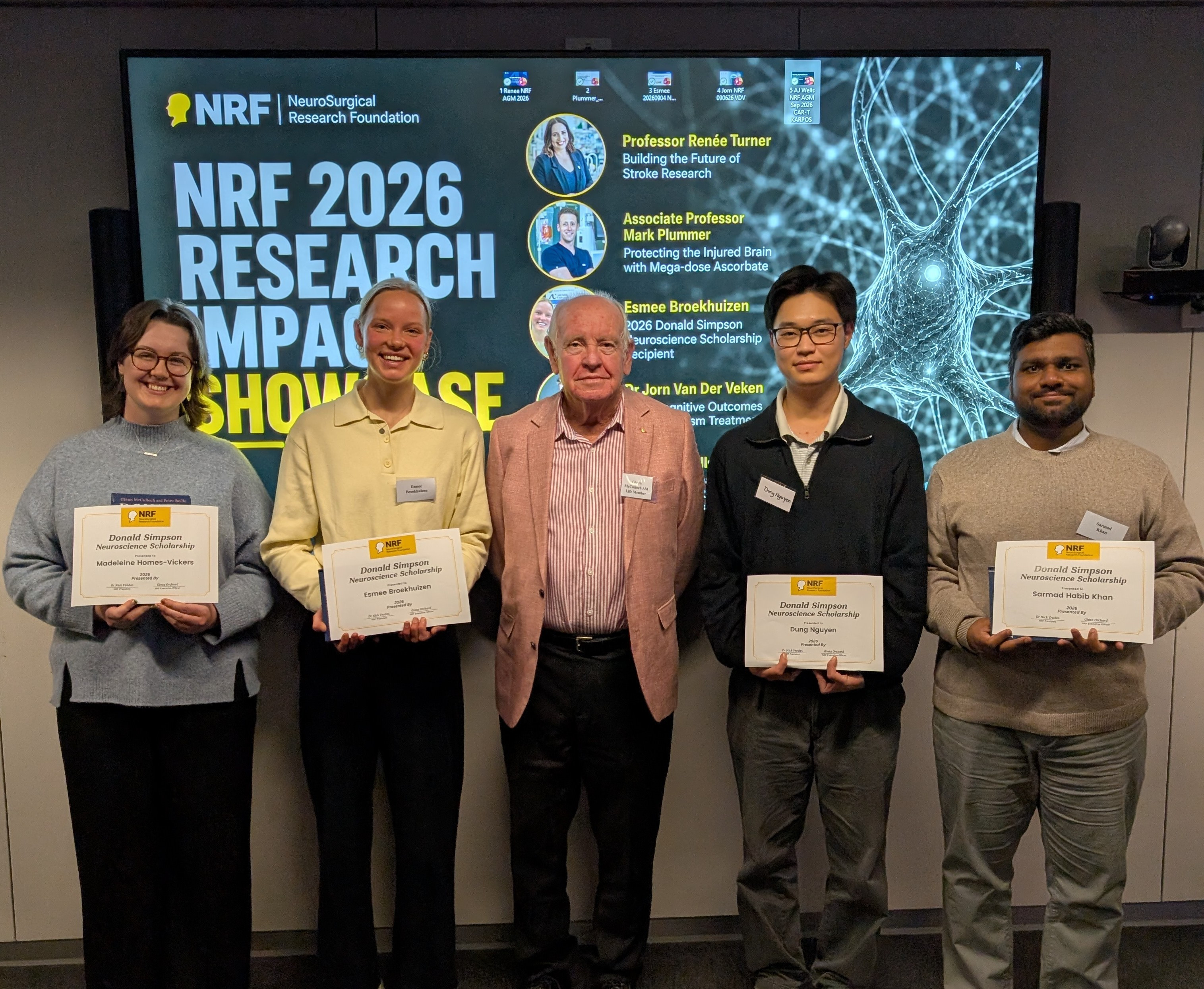
Congratulations to (L-R)
Madeleine Holmes-Vickers - Parkinson's disease
Madeleine will attend NeuroAlliance 2026 in Sydney, bringing together researchers and clinicians from the Australasian Neuroscience Society, Australasian Cognitive Neuroscience Society and Biological Psychiatry Association.
Esmee Broekhuizen – Childhood brain cancer
Dung Nguyen – Childhood brain cancer
Sarmad Habib Khan – Childhood brain cancer
Esmee, Dung and Sarmad attended ISPNO 2026 in Sydney — the world's largest international scientific meeting dedicated to paediatric central nervous system tumours.
The conference brought together clinicians and scientists from across neuro-oncology, neurosurgery, neurology, neuropathology, neuroscience and radiation oncology to share advances spanning diagnostics, treatments, clinical trials, drug delivery, tumour modelling and the tumour microenvironment.
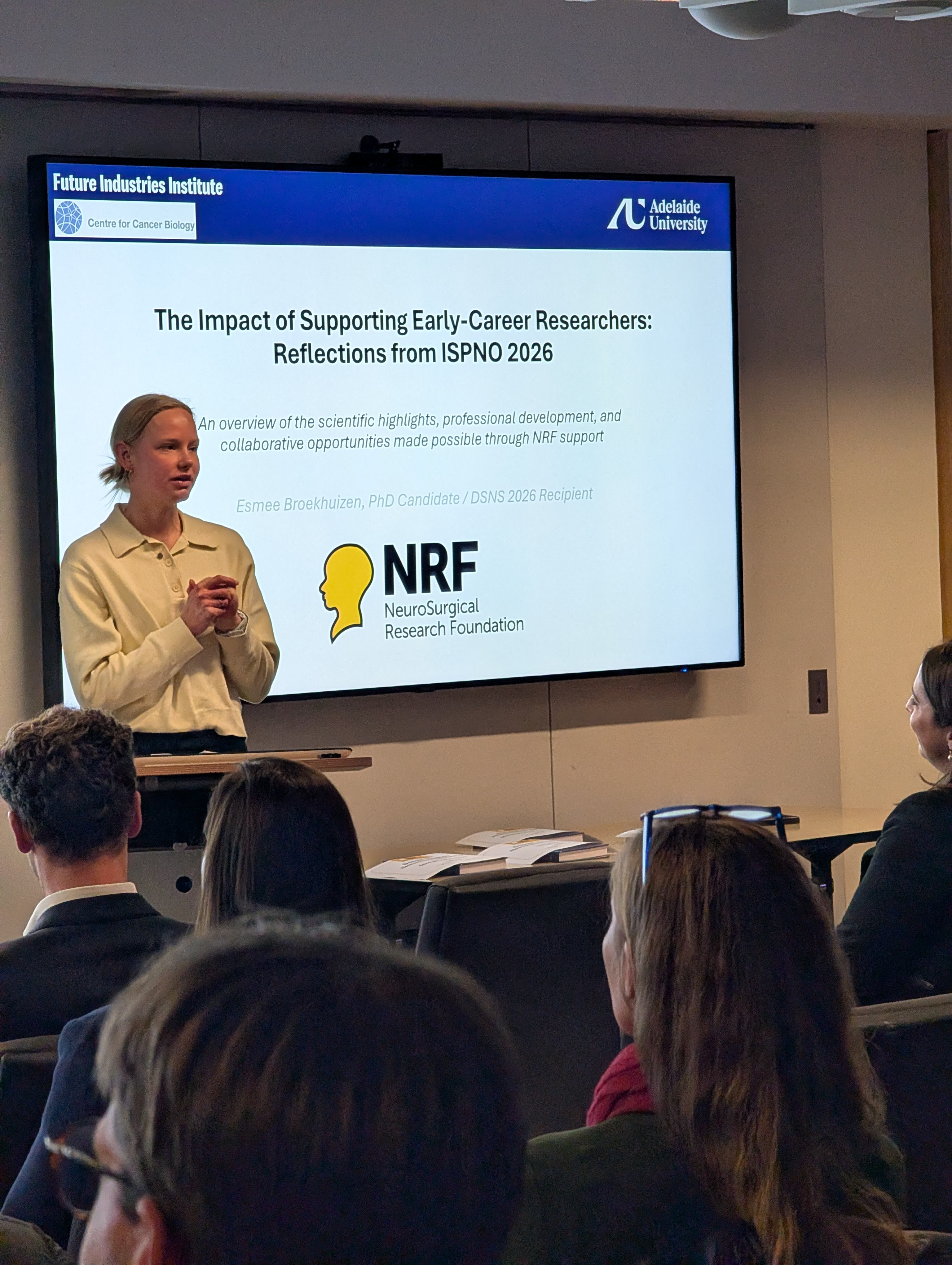
Esmee also shared her PhD research during the Showcase, which is focused on developing laboratory models that better replicate the complex tumour microenvironment of paediatric low-grade glioma.
Better models can help researchers understand how these tumours behave and provide a stronger platform for developing and testing future treatments.
Research made possible by you
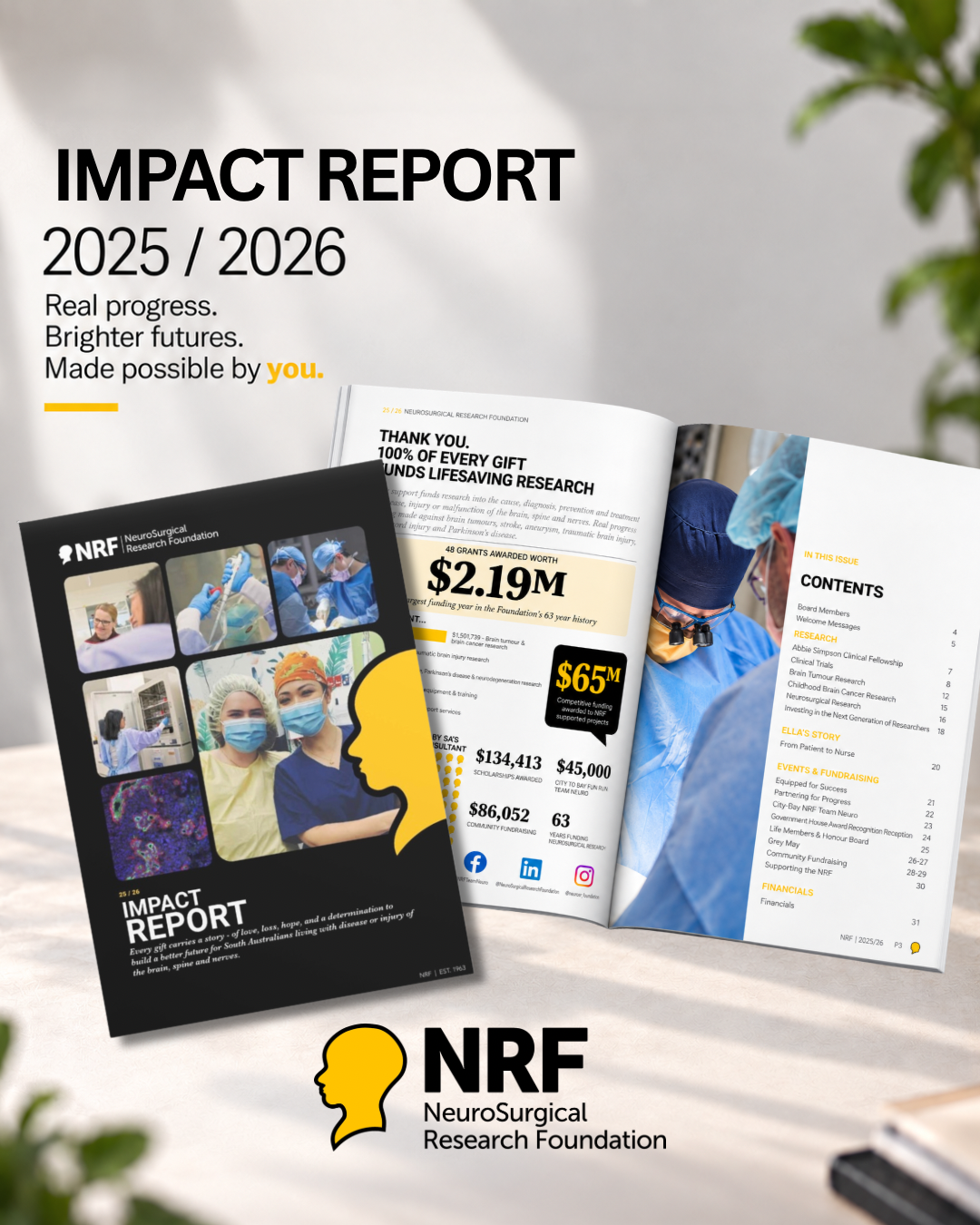
The 2026 Research Impact Showcase also marked the launch of the NRF 2025/26 Impact Report, celebrating a record year of research investment and the researchers, patients, families, donors and community members behind it.
The presentations demonstrated that research progress rarely happens overnight.
It can begin with an idea, a pilot project, a young researcher attending an international conference or a small grant that gives a team the evidence they need to take the next step.
Over time, those steps can become new discoveries, major national grants and clinical trials offering patients options that did not previously exist.
To every donor, fundraiser, researcher, partner and supporter who has helped make this work possible: thank you.
Together, we are helping change the future of brain and spine health.
