



Aneurysm Awareness Month
This Aneurysm Awareness Month, help support the research that could lead to better understanding, better treatment and better outcomes for people affected by brain aneurysms.
Know more. Understand more. Help fund the research that could change what’s possible.
A brain aneurysm is a weak or thin area in an artery in the brain that can bulge as blood flows through it. While many brain aneurysms never cause symptoms or problems, understanding them is an important part of improving brain health and care.
This Aneurysm Awareness Month, we're shining a light on brain aneurysms and the research helping us learn more about why they develop, how they can be detected and monitored, and how treatment can continue to improve.
Brain aneurysms are more common than you might think
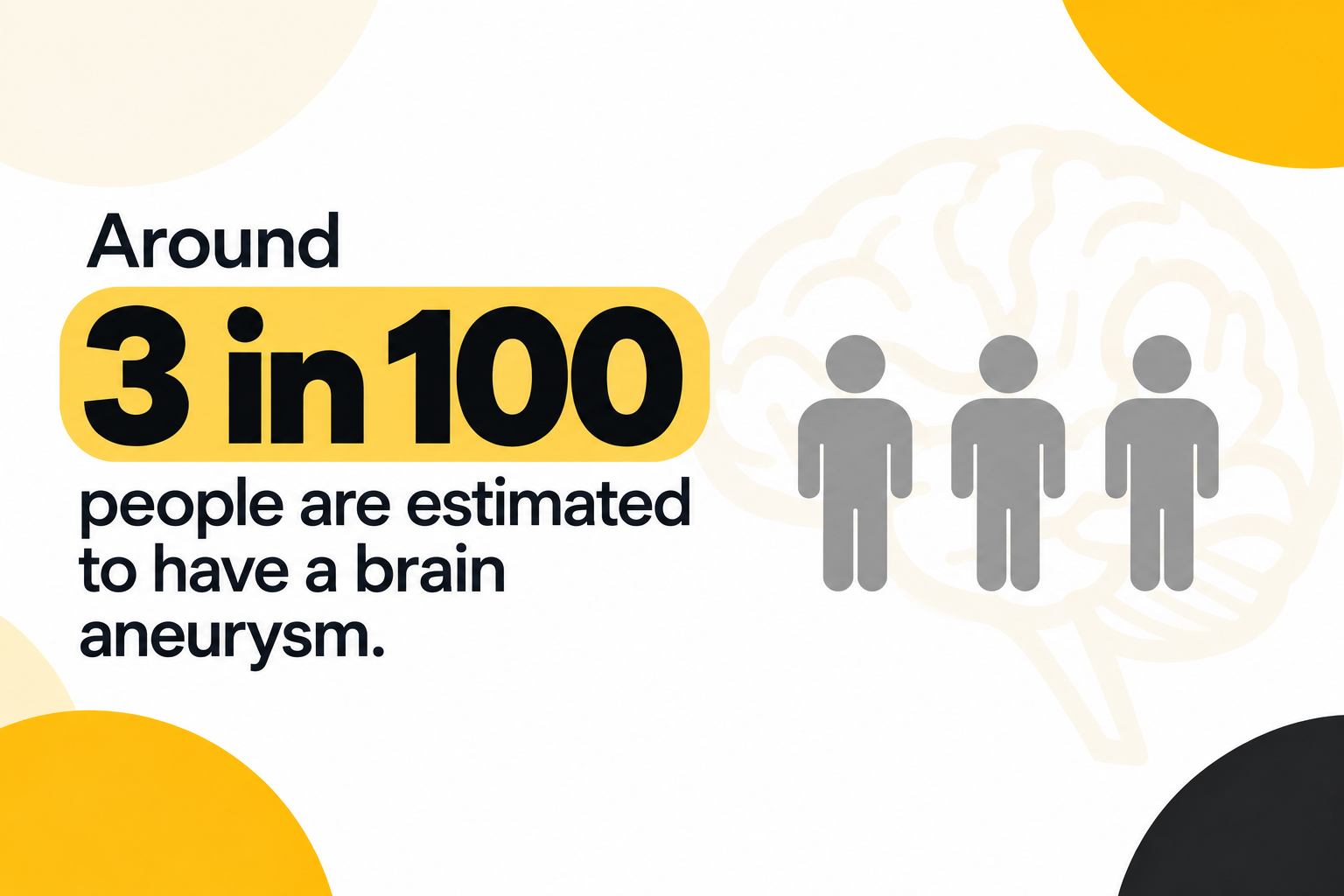
Around 3 in 100 people are estimated to have a brain aneurysm.
Many people with an unruptured brain aneurysm don't know they have one, which is one of the reasons research and awareness are so important.
The more we understand, the more opportunities there are to improve the way brain aneurysms are identified, treated and managed.
What is a brain aneurysm?
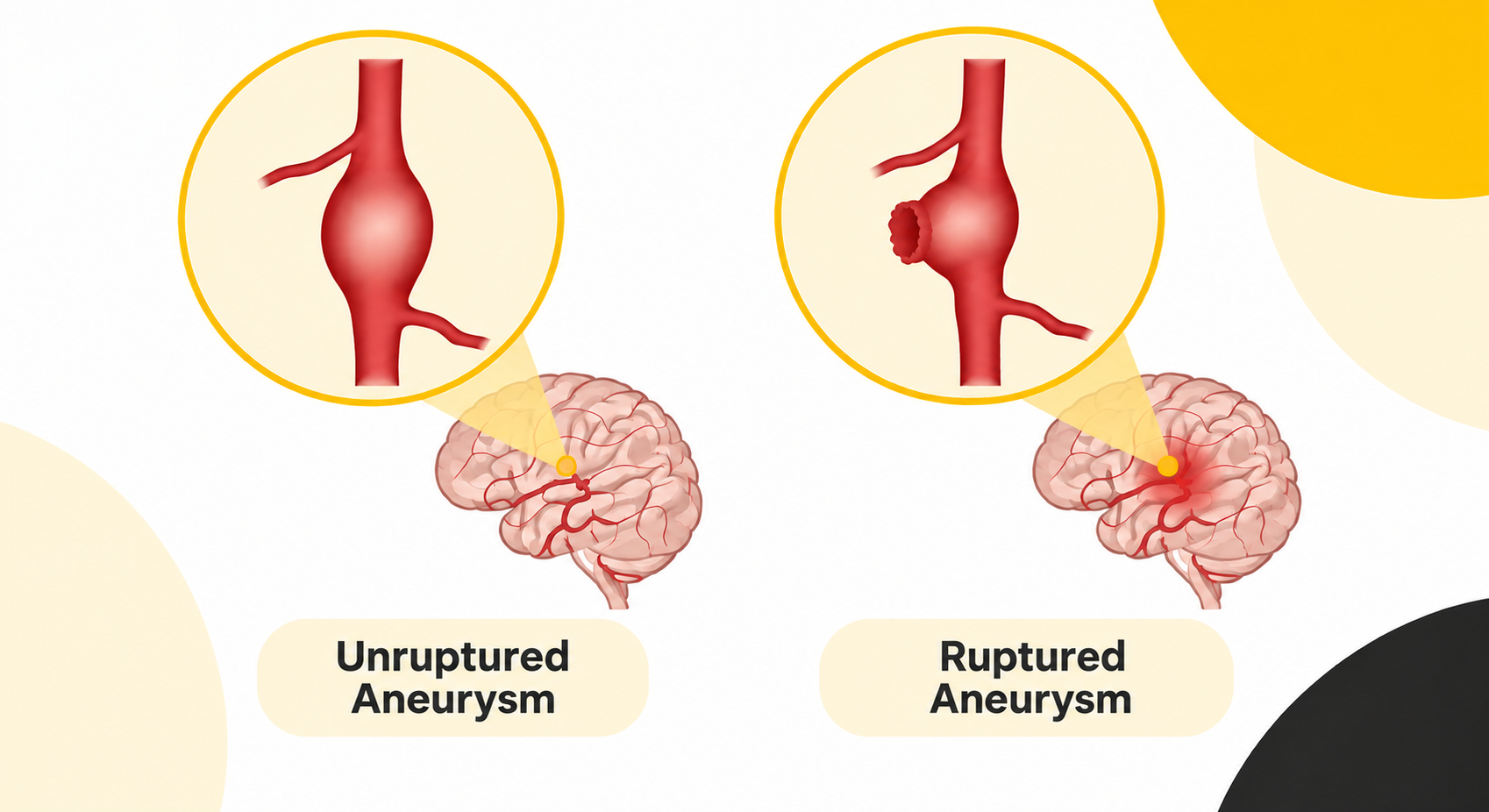
A brain aneurysm is a bulging, weakened area in the wall of an artery in the brain.
You can think of it like a weak spot in a balloon. As blood flows through the artery, the weakened area can stretch and bulge.
In some cases, an aneurysm can rupture and cause bleeding around the brain, known as a subarachnoid haemorrhage.
Understanding what causes aneurysms and why some rupture while others don't is an important area of ongoing research.
Know the signs
While many unruptured brain aneurysms don't cause symptoms, a ruptured aneurysm can cause sudden symptoms that require urgent medical attention.
A sudden, extremely severe headache is one of the most recognised warning signs. Other symptoms can include nausea or vomiting, neck stiffness, sensitivity to light, vision problems or loss of consciousness.
If you or someone around you experiences a sudden, severe headache or other concerning symptoms, seek emergency medical attention by calling 000.
Why research matters
There is still so much we don't know about brain aneurysms.
Researchers are working to better understand:
- Why brain aneurysms develop
- What factors may increase the risk of an aneurysm
- How aneurysms can be detected and monitored
- Why some aneurysms rupture while others don't
- How treatments can be improved
- How we can help patients achieve better outcomes
Every discovery adds another piece to the puzzle.
Patient Stories
Pierina & Daniela: Turning a frightening brain injury into hope
After her mum, Pierina, suffered a ruptured brain aneurysm and a serious brain bleed, Daniela witnessed firsthand the devastating impact of neurological conditions on families.
Now, she’s stepping well outside her comfort zone to take on the 12km City-Bay, raising funds for vital neurosurgical research and hoping to help give other families hope for the future.
Read Daniela and Pierina’s story and support Daniela’s fundraising efforts today.
.png)
Help us fund the research
Behind every research project is a question waiting to be answered.
With the support of our community, researchers can continue exploring new ideas, building knowledge and working towards better ways to understand and treat conditions affecting the brain.
Your donation can help research go further.
