
Brain tumours are among the deadliest forms of cancer, with glioblastoma, low-grade gliomas, and brain metastases claiming thousands of lives each year.
Despite advances in surgery, chemotherapy, radiotherapy, and immunotherapy, survival rates remain low, and patients often face devastating neurological and cognitive impairments. Researchers are working to understand how brain tumours grow, communicate with healthy brain tissue, and resist current therapies—but there is still so much we don’t know.
With your support, we can fund these life-changing research projects, helping scientists develop innovative treatments, improve patient outcomes, and bring hope to those living with brain tumours.

Funded Research across 2026/2027
Funding: $50,000
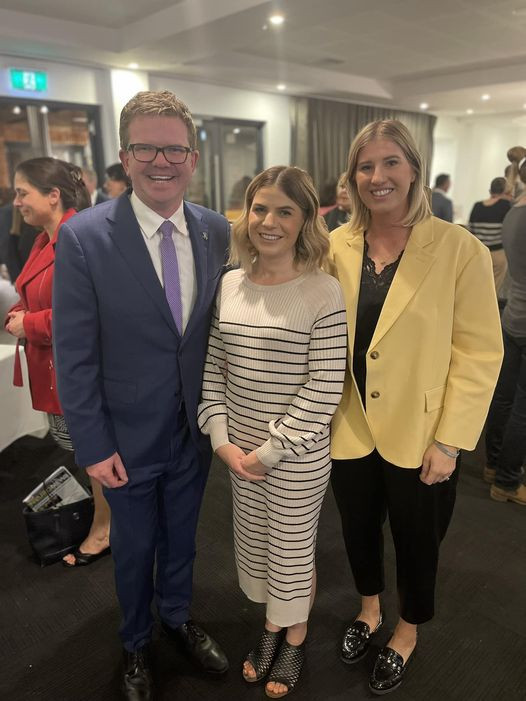
Project Lead: Prof Jillian Carr – Flinders University, SA
Research Area: Brain Tumour Research
Description: Glioblastoma is an aggressive brain cancer with poor survival rates, highlighting the urgent need for new treatments. This project is investigating modified viruses that can target and kill glioblastoma cells while also activating the immune system to fight the tumour.
Researchers will study patient brain tumour samples to identify which tumours are most likely to respond to the treatment, before testing the virus in a pre-clinical mouse model of glioblastoma.
The research will help lay the foundations for developing targeted viral therapy as a potential new treatment option for people with glioblastoma.
Funding: $49,973.30
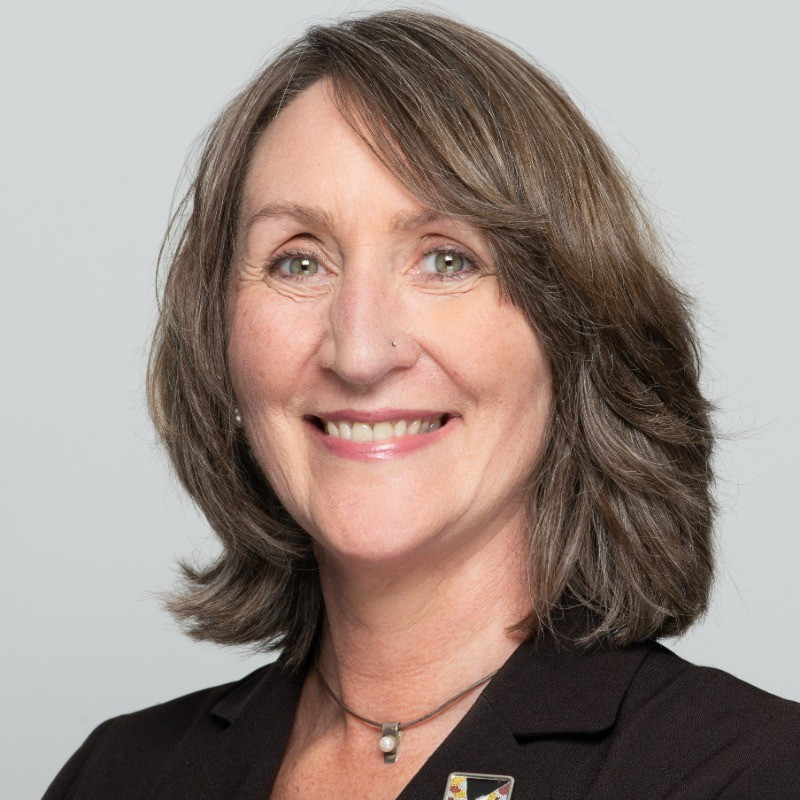
Project Lead: Dr Nirmal Robinson – Adelaide University, SA
Research Area: Brain Tumour Research
Description: Glioblastoma remains one of the most difficult brain cancers to treat, with limited treatment options. This project is investigating a protein called ROBO2, which brain tumour cells rely on to grow and spread.
Researchers are developing a new class of drugs designed to make cancer cells destroy their own ROBO2 protein, effectively switching off an important survival mechanism. The drugs will also be specifically selected for their ability to reach the brain, with the aim of developing a new targeted treatment approach for glioblastoma.
Funding: $49,998
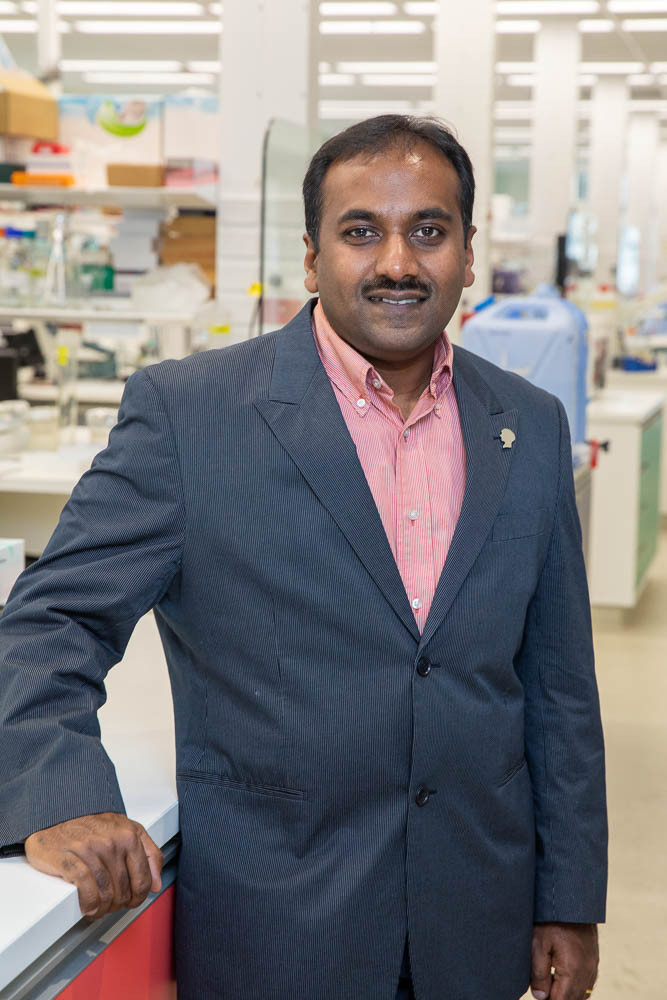
Project Lead: Prof Sharad Kumar – Adelaide University, SA
Research Area: Brain Tumour Research
Description: Cancer cells communicate with each other using tiny particles called extracellular vesicles (EVs), which can help tumours grow, spread and resist treatment. Researchers have discovered that the release of these particles is controlled by a protein called caspase-2.
This project will investigate how changes in caspase-2 and EV release contribute to glioblastoma growth and drug resistance. The research aims to identify new ways to disrupt communication between cancer cells and improve treatment outcomes for people with glioblastoma.
Funding: $46,242
Project Lead: Dr Chloe Shard – Adelaide University, SA
Research Area: Brain Tumour Research
Description: Glioblastoma cells can behave differently depending on where they are located within a tumour. This project will use detailed analysis of patient tumour samples to understand how tumour cells use nutrients and energy in different regions of the tumour.
By identifying these metabolic dependencies, researchers hope to uncover new ways to block glioblastoma growth and overcome resistance to existing treatments.
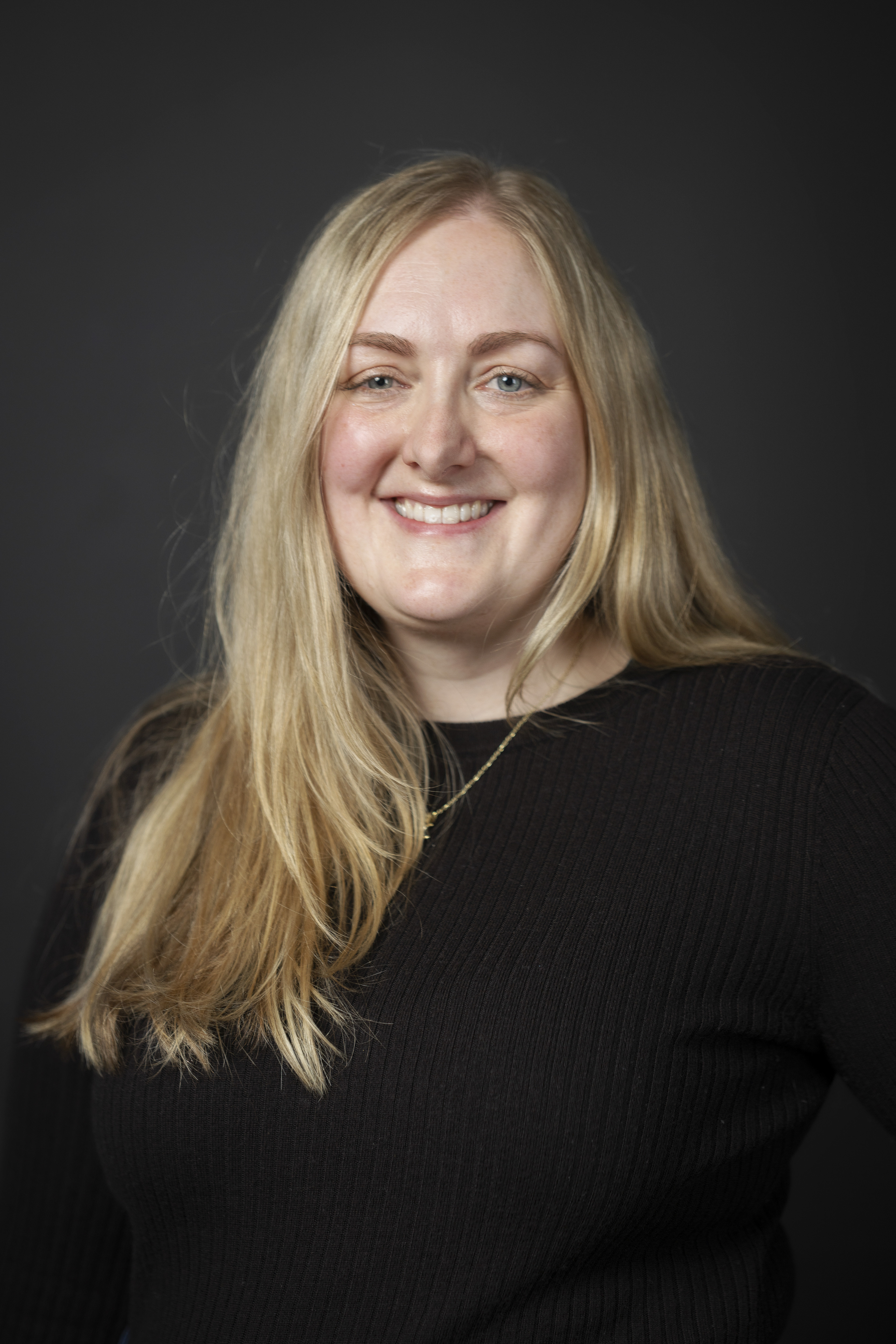
Funding: $50,000
Project Lead: Dr Tessa Gargett – Adelaide University, SA
Research Area: Brain Tumour Research
Description: CAR-T therapy is an emerging treatment that uses a patient’s own immune cells to recognise and attack cancer cells. This project will support research into improving CAR-T therapy for brain tumours, helping to advance new approaches to treating these difficult cancers.
The funding will also support Research Assistant and PhD student Chris Nam to complete additional project aims, strengthening the research and contributing to his development as an emerging brain tumour researcher.
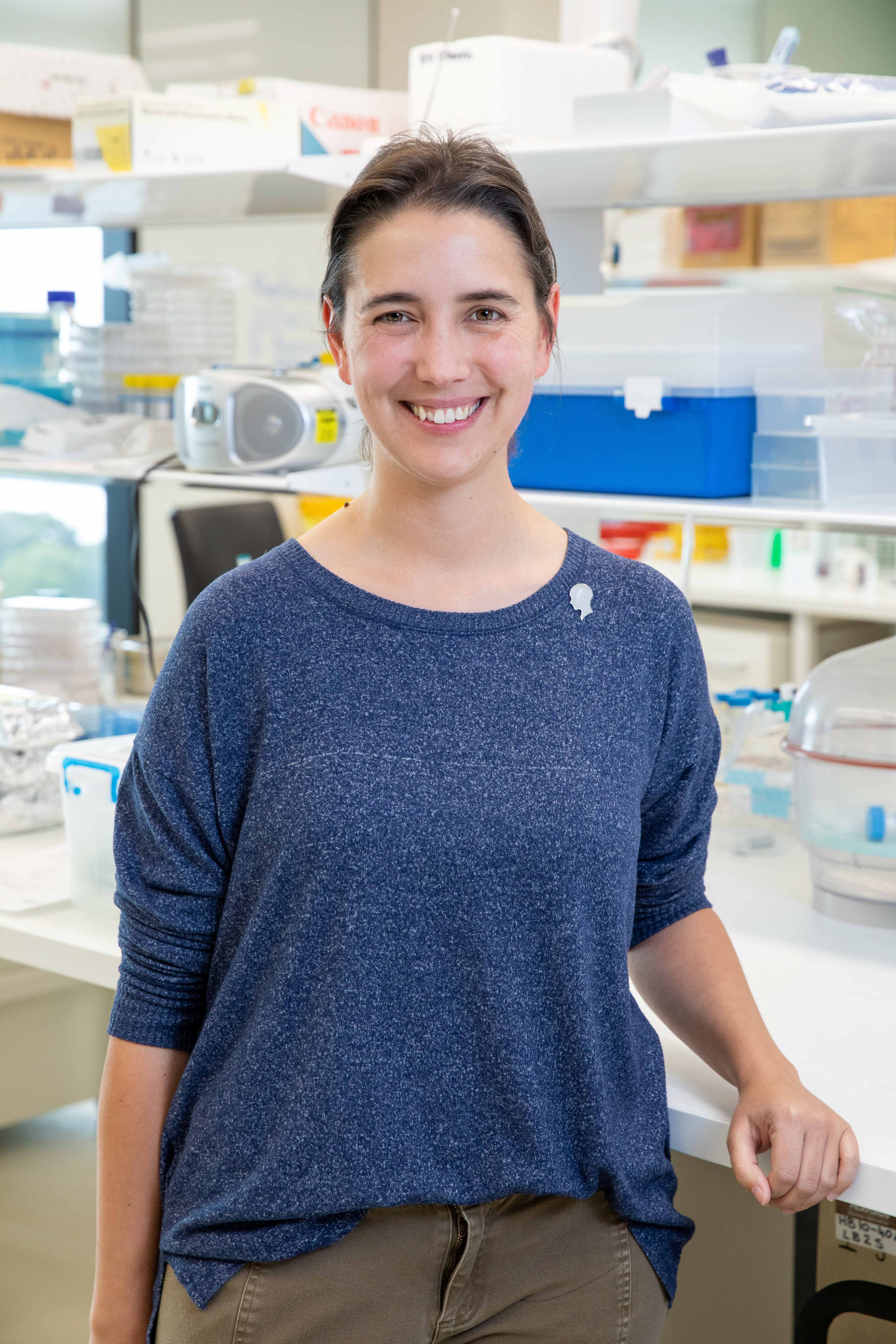
Funding: $120,136 per year for 3 years (2026–2028)
Total Funding: $637,818
Project Lead: Dr Rebecca Ormsby + Mrs Bree Hodgson
Research Area: Brain Tumour Research
Description: The South Australian Neurological Tumour Bank (SANTB) supports multiple neuro-oncology research groups by providing access to tumour samples and clinical data
Funding: $11,220
Project Lead: Prof Stuart Pitson
Equipment: Antigen Retrieval Chamber High Voltage (ARCHV)
Funding Source: Australian Hotels Association (SA) and Licensed Clubs Association (SA) through the Independent Gaming Corporation
Description: Identifying cancer-related proteins in tumour tissue is critical for screening and validating potential new targets for brain cancer. The Antigen Retrieval Chamber High Voltage (ARCHV) allows researchers to optimise and standardise antibody staining procedures by setting, monitoring and recording temperature, pressure and time to produce consistent results.
Developing accurate and consistent staining protocols using diagnostic-grade equipment brings research procedures closer to clinical standards, supporting faster translation of brain cancer research.
Funding: $100,000 (final instalment, total funding $200,000)
Project Lead: Prof Stuart Pitson – Adelaide University, SA
Funding Source: Fay Fuller Foundation
Description: This project aims to develop a new method for delivering anti-cancer drugs to brain tumours, with a focus on glioblastoma (GBM). Researchers will test three drugs across different GBM cell types, investigate whether an immune-modulating drug can help these treatments cross the blood-brain barrier, and assess combination therapies in pre-clinical models.
Successful outcomes could support the development of new treatments for brain tumours and accelerate translation into clinical trials.
Funding: $10,000 (Project Extension)
Project Lead: Prof Stuart Pitson – Adelaide University, SA
Funding Source: JDRF, in memory of Elise Ross
Description: Glioblastoma is an aggressive and complex brain cancer, with interactions between tumour cells and the immune system that are difficult to replicate in current mouse models. This limits the ability to translate research findings into effective treatments.
This project will develop humanised mouse models containing human immune cells and brain tumours derived from patient glioblastoma cells, allowing researchers to better study immune responses and test potential therapies.
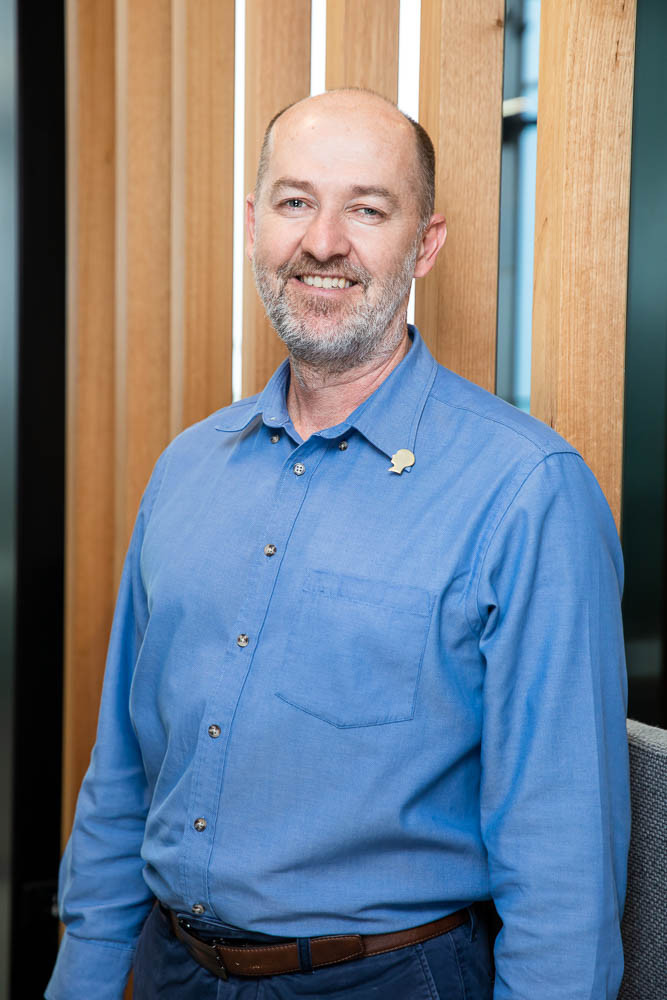
Funding: $100,000 (Year 2 of 3)
Project Lead: Prof Cedric Bardy – SAHMRI / Flinders University, SA
Description: This project is testing a repurposed antipsychotic drug, trifluoperazine (TFP), in patients with recurrent glioblastoma (GBM), an aggressive brain cancer. The drug will be administered orally or directly into the cerebrospinal fluid via an Ommaya reservoir.
Tumour, blood and cerebrospinal fluid (CSF) samples will be collected to study drug distribution and anticancer activity, with the aim of improving treatment strategies and potentially extending survival for patients with limited treatment options.
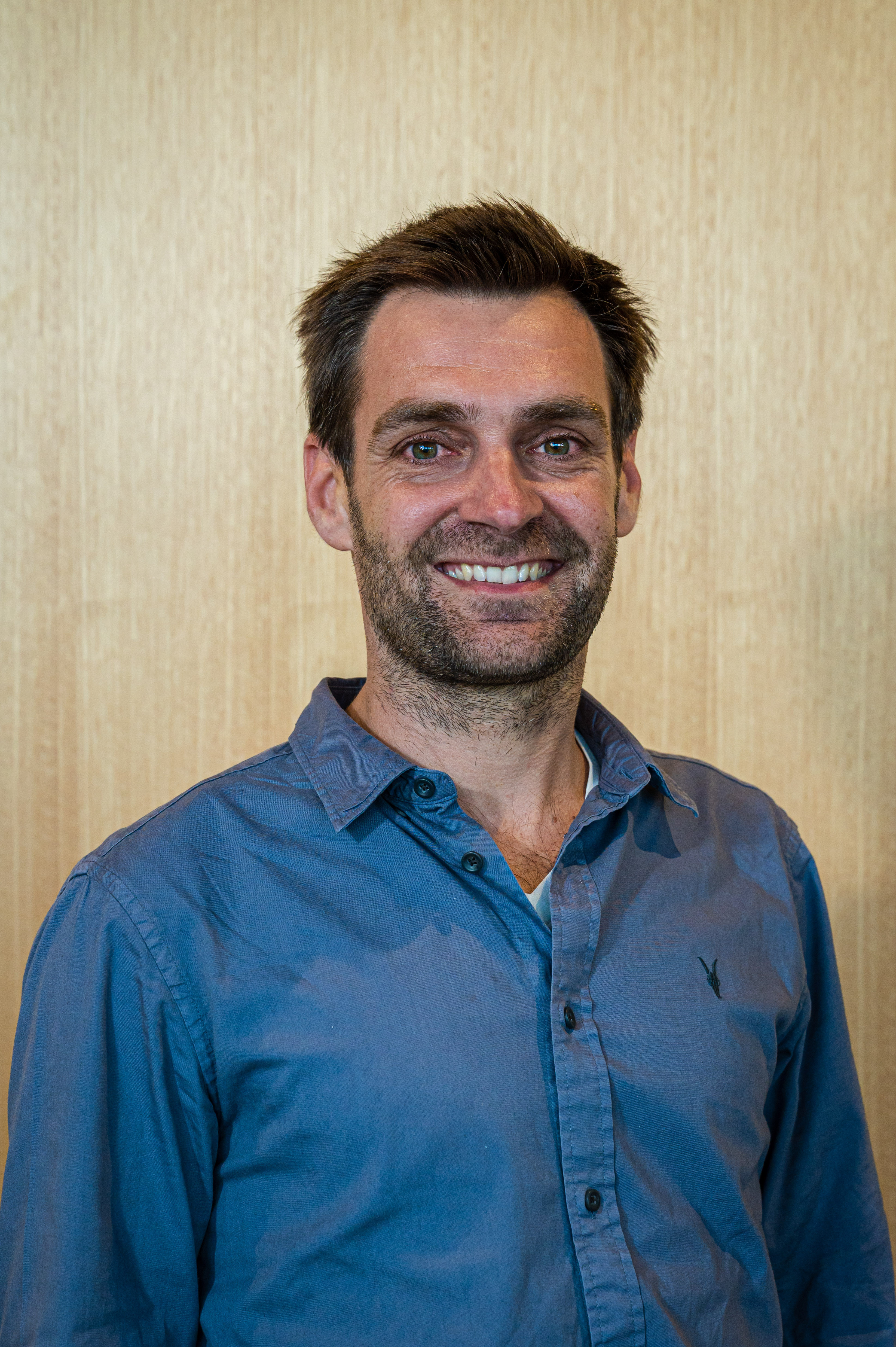
Funding: $125,000 (Year 2 of 2)
Project Lead: Dr Adam Wells
Description: Recurrent adult glioblastoma remains incurable, with no available systemic treatments proven to extend survival. This project investigates GD2-specific CAR-T cell therapy, which is being tested in patients through the KARPOS clinical trial.
While CAR-T cells expand in patients’ blood, their anti-tumour effects are short-lived. Researchers have found evidence that macrophages, a type of white blood cell, may counteract CAR-T cell activity following tumour cell injury.
The research aims to better understand these interactions and investigate ways to improve the effectiveness of CAR-T cell therapy against glioblastoma.

Funding: $65,500
Project Lead: Dr Olivia Morris Hannon
Funding Source: Perpetual
Description: Diffuse gliomas are aggressive brain tumours that infiltrate surrounding brain tissue, making complete surgical removal difficult. Even after surgery, remaining tumour cells can resist treatment and cause the cancer to return.
This project will establish patient tissue and living organoid biobanks to study how tumour cells interact with surrounding brain cells. Using advanced molecular analysis and artificial intelligence, researchers aim to identify new treatment targets and test emerging therapies to prevent or delay tumour recurrence.
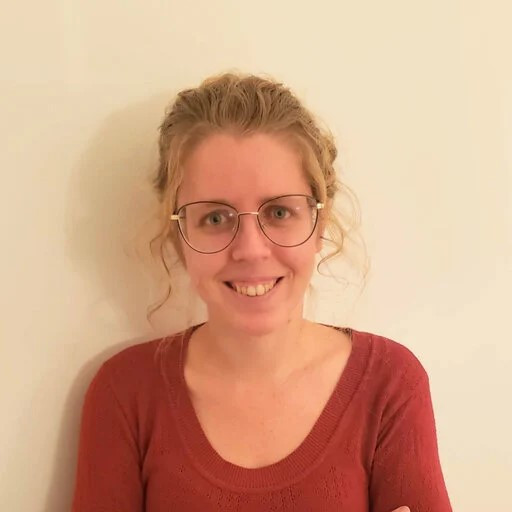
Enhancing the Entry of Therapeutic CAR-T Cells into Brain Tumours
Funding: $35,000
Project Leads: Dr Olivia Morris Hannon and Prof Quenten Schwartz
Funding Source: GPA Andrew Ursini Charitable Trust Donations 2026
Description: This project will fund specialised oxygen-regulated incubators to grow patient-derived glioma organoids under controlled oxygen conditions that better reflect the brain tumour environment.
The new equipment will address a gap in existing research facilities and build on more than 150 established patient-derived brain tumour models. This will improve the relevance, reproducibility and predictive value of preclinical research, helping researchers investigate new treatments, including CAR-T cell therapy.
Understanding Variability in Neurofibromatosis
Funding: $49,672
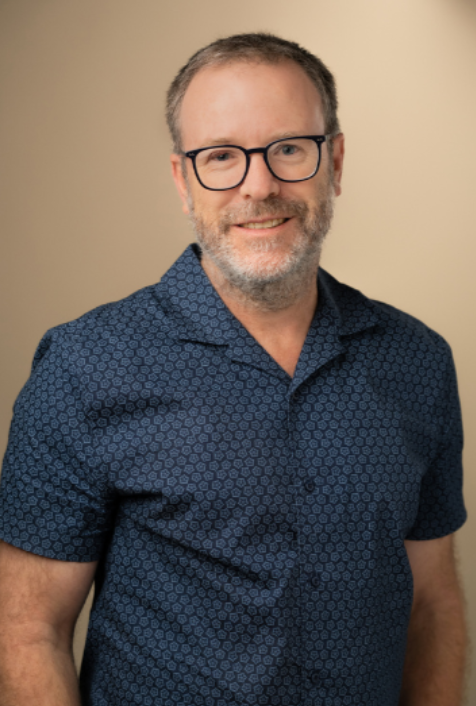
Project Lead: Prof Quenten Schwarz – Adelaide University, SA
Description: Neurofibromatosis (NF) is a genetic condition that can cause symptoms ranging from mild to life-threatening complications, even among people with the same genetic mutation. This project will use stem cell-derived organoids carrying patient-specific mutations to investigate why the condition affects individuals differently.
The research aims to improve understanding of NF and, ultimately, help predict how the condition may progress in different patients.
Funded Research across 2025/2026
Funding: $300,000
Project Lead: Prof Cedric Bardy (Scientific Lead) – SAHMRI / Flinders University, SA
Duration: 3 years
Description: This project will test a repurposed antipsychotic drug, trifluoperazine (TFP), in patients with recurrent glioblastoma (GBM), an aggressive brain cancer. TFP will be administered orally or directly into the cerebrospinal fluid via an Ommaya reservoir. Tumour, blood, and CSF samples will be collected to study pharmacokinetics, drug distribution, and anticancer activity, with the aim of improving treatment strategies and potentially extending survival for patients with limited options.
Research:
Primary aim: Evaluate the pharmacokinetics, safety, and preliminary efficacy of TFP in adult patients with recurrent IDH-wildtype GBM, comparing oral versus intraventricular delivery.
Secondary aims:
• Measure CSF and plasma TFP concentrations across delivery modes.
• Assess spatial drug distribution in tumour and surrounding tissue, and tumour cell stress signatures post-treatment.
• Evaluate in vitro drug sensitivity on matched tumour biopsies and patient-derived tumoroids/organoids.
• Explore inter- and intra-patient variability and tumour biomarker profiles (e.g., NUPR1, dopamine receptors, MDRs).
This trial has the potential to transform GBM treatment by repurposing a clinically approved compound, providing a pathway to late-phase trials for GBM subtypes that currently lack effective therapy.
Position: Research Assistant
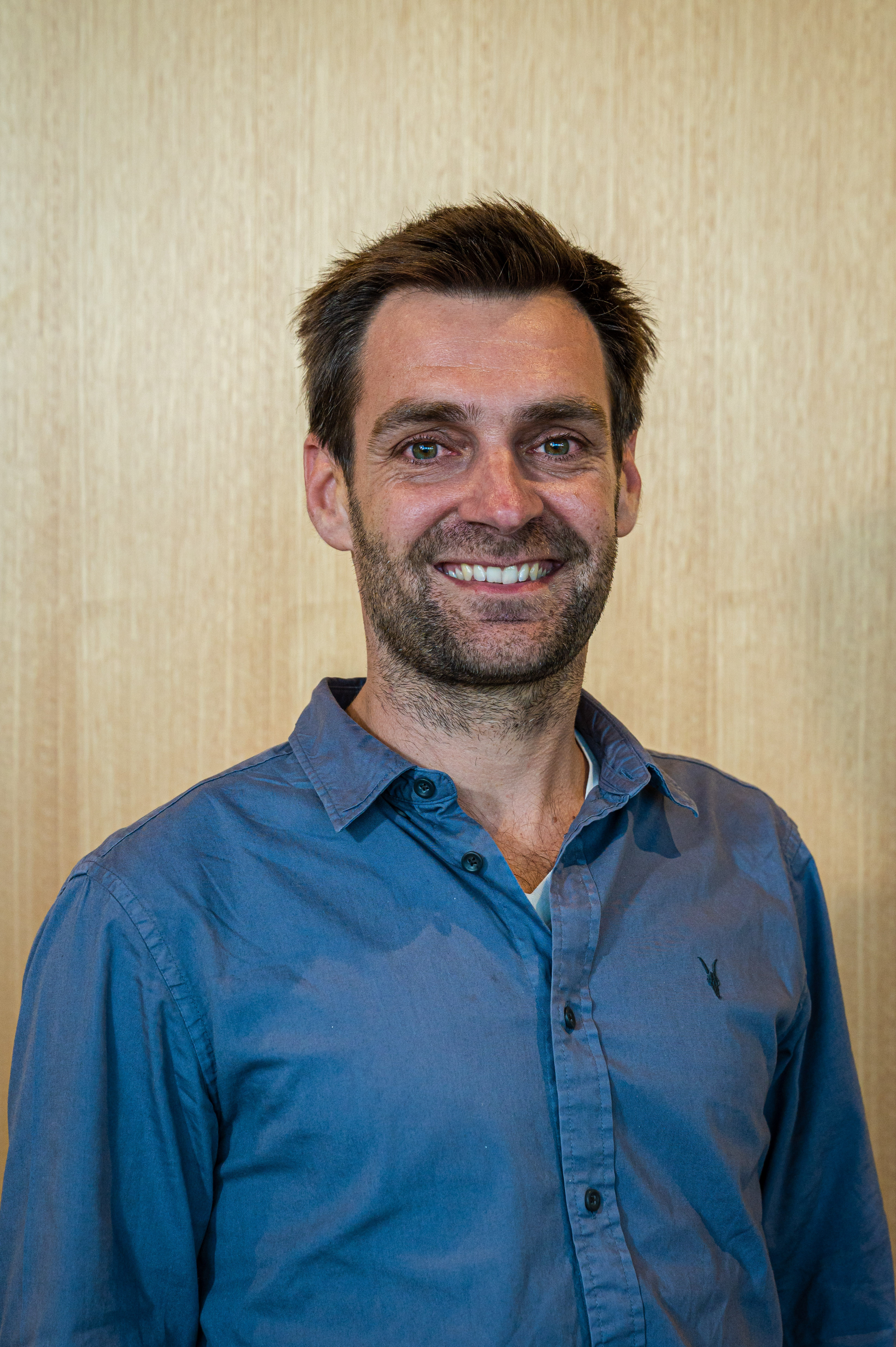
Supervisor: Professor Stuart Pitson
Description: This position will support the advancement of new experimental brain tumour therapies toward clinical trials.
Research: The appointed research assistant will contribute expertise in characterising immune cell composition of tissues, boosting efforts in immune profiling of brain tumour mouse models and development of new immunotherapies. This highly collaborative role will engage with projects across the Laboratories of Brown, Ebert, Gomez, Robinson, Schwarz, Duijf, and Hansford, aiming to advance these studies to the stage where collaborative federal funding (NHMRC or MRFF) can be sought to further develop novel immunotherapies.
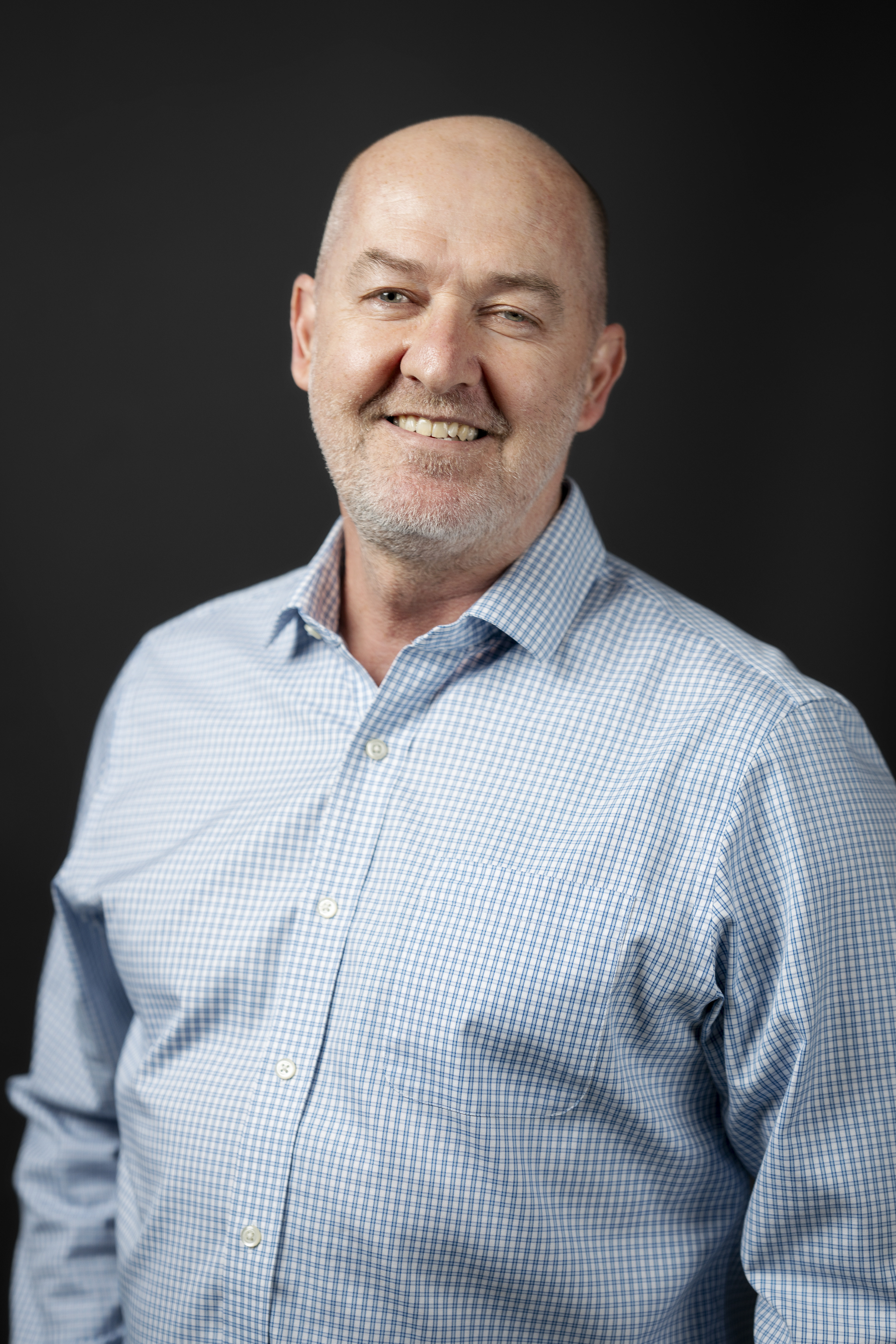
Funding: $50,000 A/Prof Guillermo A. Gomez
Equipment: The LumiPoreTM platform
Description: The LumiPoreTM platform exploits the interaction between light and photothermal nanosensitizers to generate laser-controlled mechanical forces to open the cell membrane for the delivery of RNA, DNA, RNP, proteins, and dyes into a broad range of patient-derived tumour, stem, and immune cells.
Research: Currently, there is no photoporation device in Australia. This equipment will allow SA and Australian researchers to accelerate the preclinical evaluation of new gene targets, validate the drug-on-target effect, and add labels to monitor tumour cell activity in real-time for a variety of gene targets that would be difficult to hit using conventional approaches such as transfection or lentivirus transduction.
Moreover, this new capability will increase research productivity by linking South Australia's world-class research infrastructure in genomics, single-cell and spatial multi-omics, proteomics, and imaging, thus accelerating preclinical research in drug discovery, new therapeutics, and cell-based immunotherapies for adult and paediatric brain cancers.
Funding: $50,000 Dr Tessa Gargett
Equipment: Grex Closed-System flask and GatheRex Cell Harvest Pump
Description: The new GatheRex equipment will give us the capability to extend our current trials and plan future trials by making our cell therapy manufacturing safer and more streamlined. A closed-system is preferred by the TGA and will enable us to gain a Good Manufacturing Licence, which we do not currently hold, and which is a pre-requisite for phase 2 clinical trials. We have 2 new clinical trials planned for 2026, which will investigate newer generation CAR-T therapies optimised for survival in patients with GBM and DMG. This equipment will therefore support those trials and also enable us to consider extension of trials to phase 2 and testing with more patients.

Funding: $20,000 A/Prof Quenten Schwartz
Equipment: EVOS M3000 Imaging System
Description: The EVOS M3000 is a fully integrated microscope for visualising fluorescence and transmitted light, designed for use inside cell culture hoods.
Research: Efficient culture of human stem cells and other primary cell lines requires manually scraping and collecting discrete colonies under magnification within a sterile biosafety hood. Currently, no available microscopes adequately support this process.
The EVOS M3000 is ideal because:
It fits in a biosafety cabinet, is robust, and easily cleaned and sterilised;
Offers multiple light sources, including fluorescence and brightfield;
Provides objectives from 5X to 40X;
Projects images onto a front screen for real-time selection;
Has a large working distance, allowing pipette access to small dishes.
Funding: $250,000 Dr Adam Wells
Description: Recurrent adult glioblastoma is incurable with no life-prolonging systemic treatments available. To improve patient outcomes, CAR-T cell therapy is being tested with seven KARPOS trial patients recruited to date. CAR-T cells expand in patients’ blood, but anti-tumour effects are short-lived. Blood tests suggest CAR-T-induced injury of brain tumour cells leads to an accumulation of bone marrow-derived white cells called macrophages that counter CAR-T activity.
Research: This project will test how three commonly used compounds combat macrophages and enhance CAR-T function in future KARPOS trial patients.
Funding: $50,000 Dr Helen Palethorpe Glioblastoma Research
Description: High levels of heterogeneity make glioblastoma tumours highly lethal. Heterogeneity results from tumour cells' continuous adaptation (plasticity) to changes in their cellular and non-cellular tumour microenvironment. It remains unknown how this plasticity contributes to tumour evolution week-by-week as patients undergo therapy. For the first time, patient-derived explant organoids (GBOs) will be used to monitor tumour changes outside the body in response to therapy. If successful, this tool can guide adaptable and personalised interventions for glioblastoma patients.
Funding: $50,000 A/Prof Hien Le Glioblastoma Research
Description: Advances in cancer therapy have extended life expectancy for stage 4 cancer patients, but brain metastases remain challenging. Traditional treatment involves surgery followed by a single dose of stereotactic radiotherapy (SRS). Preoperative SRS offers lower radiation exposure and fewer complications.
Research: This trial will compare a single preoperative SRS dose versus three smaller doses before surgery, evaluating cancer control, side effects, and quality of life to optimise patient outcomes.
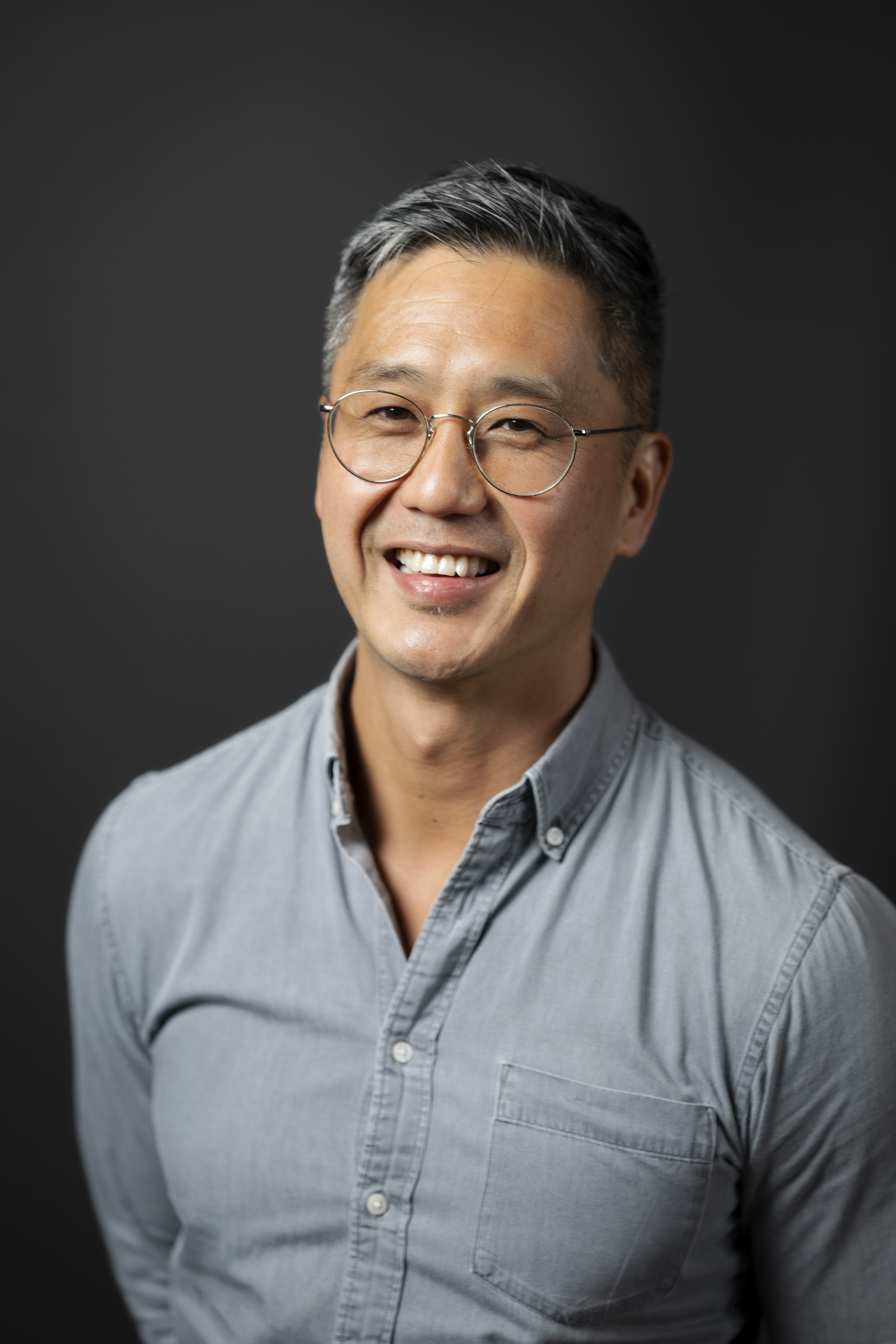
Funding: $50,000 Dr Manam Inushi De Silva & Prof Cedric Bardy, Low-Grade Gliomas
Description: Gliomas use long cellular protrusions to communicate with each other and the healthy brain microenvironment. This communication promotes tumour growth, migration, and evasion of therapy. The role of these microtubes in low-grade gliomas, which can progress to high-grade forms, remains unclear.
Research: The study will compare microtubes across glioma grades to understand their impact on tumour behavior and treatment resistance, aiming to develop targeted therapies that improve survival and quality of life.
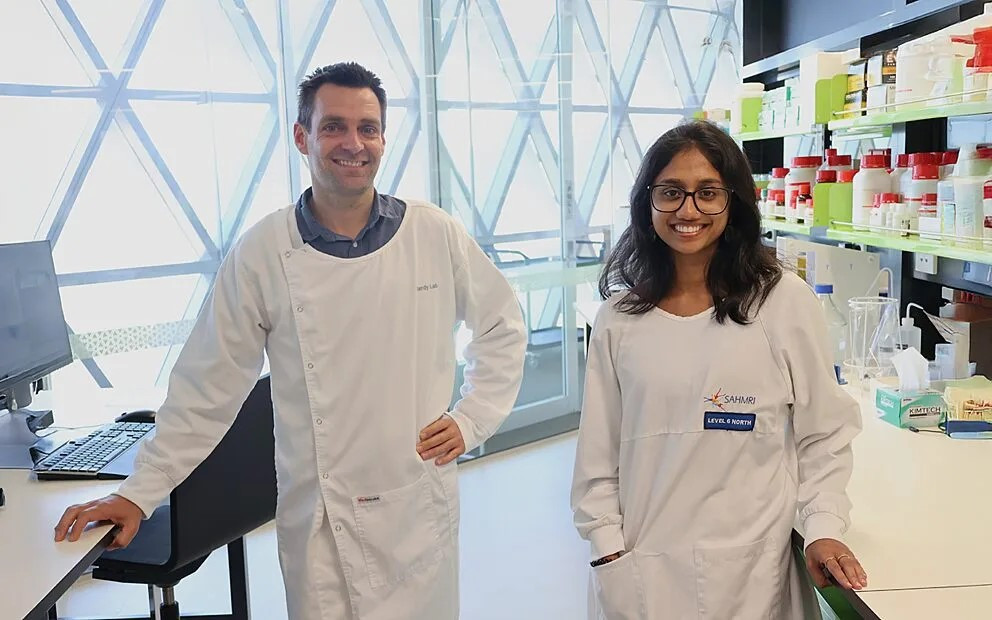
Funding: $50,000 A/Prof Lisa Ebert, Glioblastoma Research
Plus: $25,000 GPA Andrew Ursini Charitable Trust
Description: Glioblastoma is the deadliest form of brain cancer with largely ineffective treatments. A new therapy using CAR-T cells (“living drugs”) aims to maximise tumour entry.
Research: Blood vessels in short-term cultured fragments of glioblastoma tissue will be studied to determine factors allowing CAR-T cell entry. Therapy will then be engineered to exploit these gateways, enhancing treatment success.
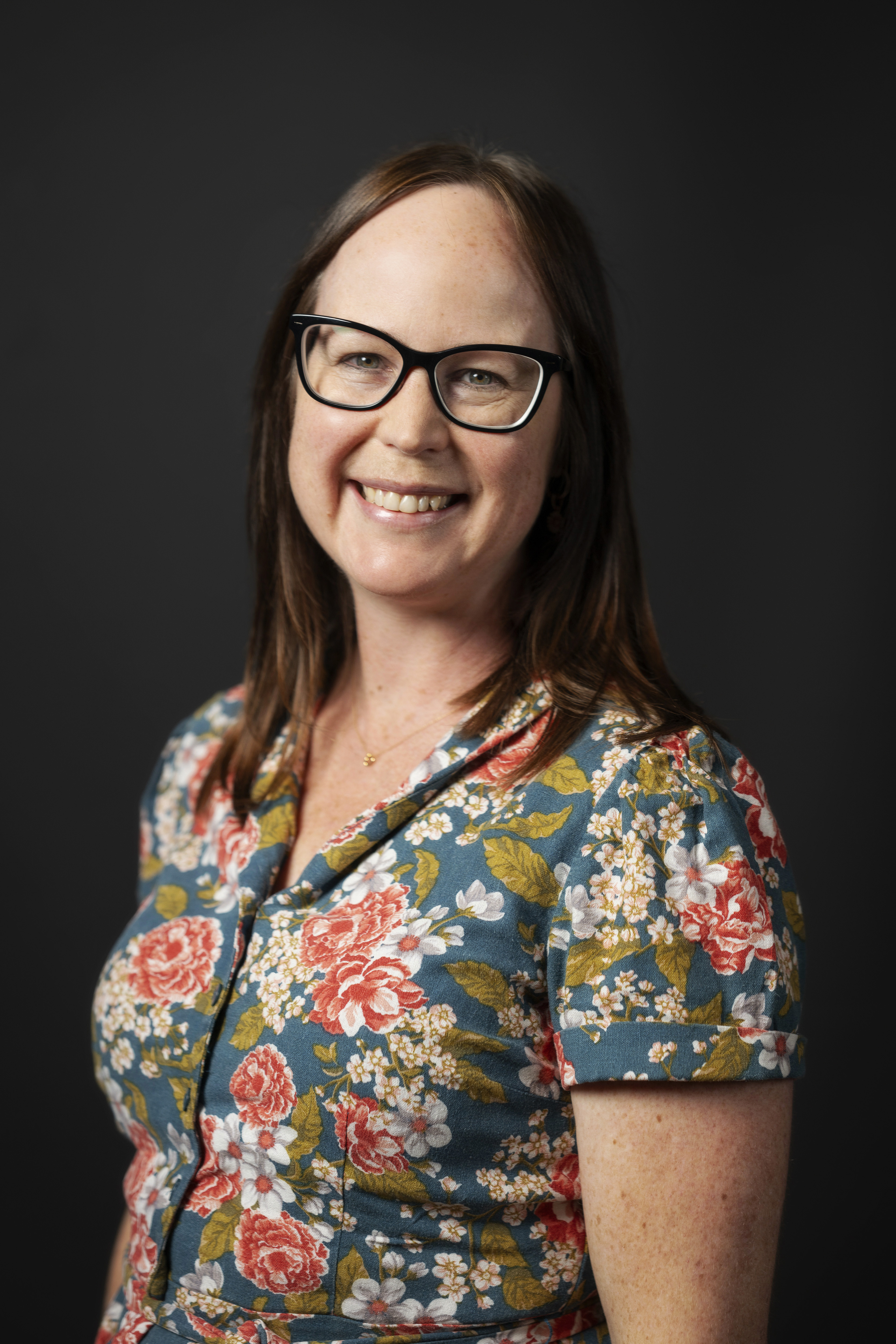
Funding: $50,000 Dr Briony Gliddon Supported by Munno Para Foodland
Description: Recurrent glioblastoma is resistant to current treatments and has a poor prognosis. This project will examine how glioblastoma evolves under therapy using patient-derived tumour cells obtained at diagnosis and recurrence.
Research: By comparing matched samples and integrating experimental models that mimic patient treatment, cellular and molecular changes driving recurrence will be mapped. The goal is to identify key therapy resistance mechanisms, informing strategies to prevent tumour relapse and improve outcomes.
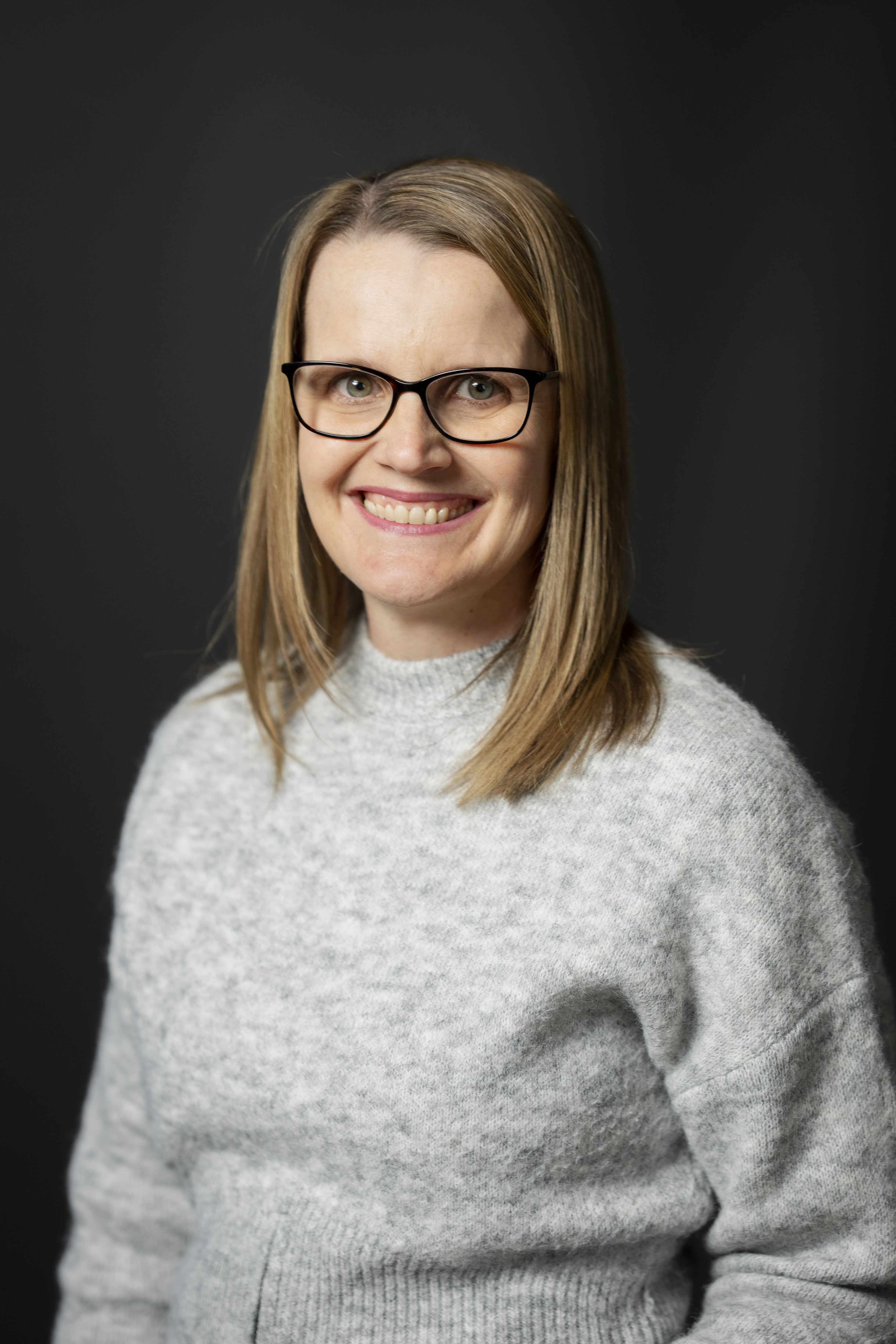
Funding: $50,000 Dr Chloe Shard In Mem John ‘Griff’ Griffen
Description: Glioblastoma often resists chemotherapy, radiotherapy, and immunotherapy. Tumour-specific ecosystems formed by blood vessel cells and immune myeloid cells drive tumour progression and suppress immune responses.
Research: Using advanced lab models and next-generation cell engineering, the project will study how these non-cancerous cells influence tumour behaviour and develop engineered immune cells capable of attacking glioblastoma. The outcomes aim to create therapies that overcome resistance and improve survival.
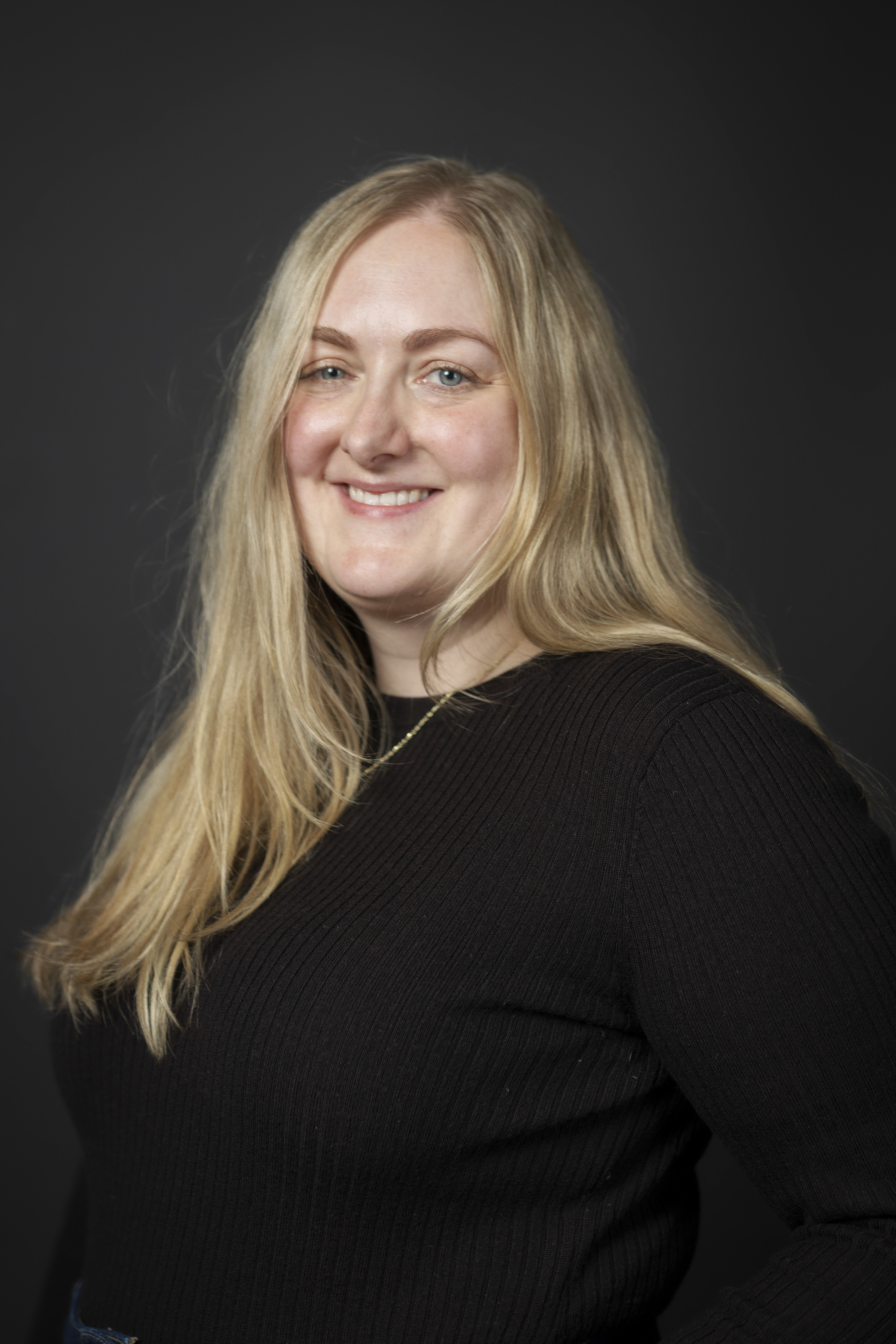
Funding: $50,000 Dr Nirmal Robinson Glioblastoma
Description: Glioblastoma is highly aggressive with poor survival rates. ROBO2, located at the invasive edge of tumours, regulates cancer spread and metabolism, and is controlled by CD47, a protein that helps tumours evade immune responses.
Research: This project will test whether blocking ROBO2, alone or combined with anti-CD47 therapy or mitochondrial inhibitors, can suppress tumour growth and improve survival, aiming to identify new therapeutic strategies.
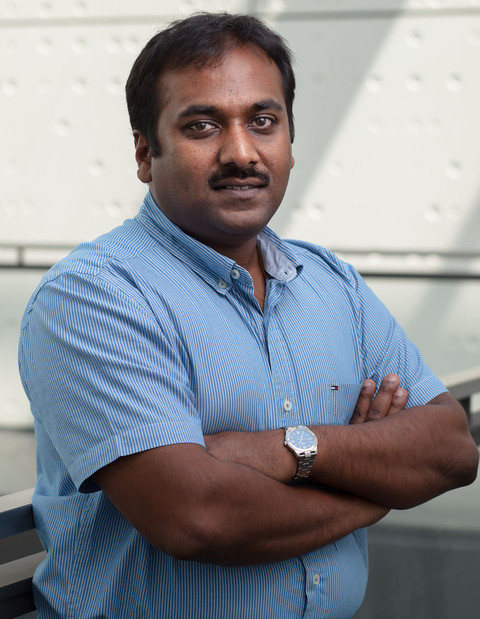
Funding: $50,000 Dr Nicole Wittwer In Mem Mark Weber
Description: CAR T-cell therapy uses engineered T-cells to destroy cancer cells, but brain tumours remain challenging to treat.
Research: This project will develop CAR T-cells that simultaneously target GD2 and FAP (on tumour cells and blood vessels), aiming to overcome treatment barriers, reduce toxicity, and improve outcomes for patients with brain malignancies.
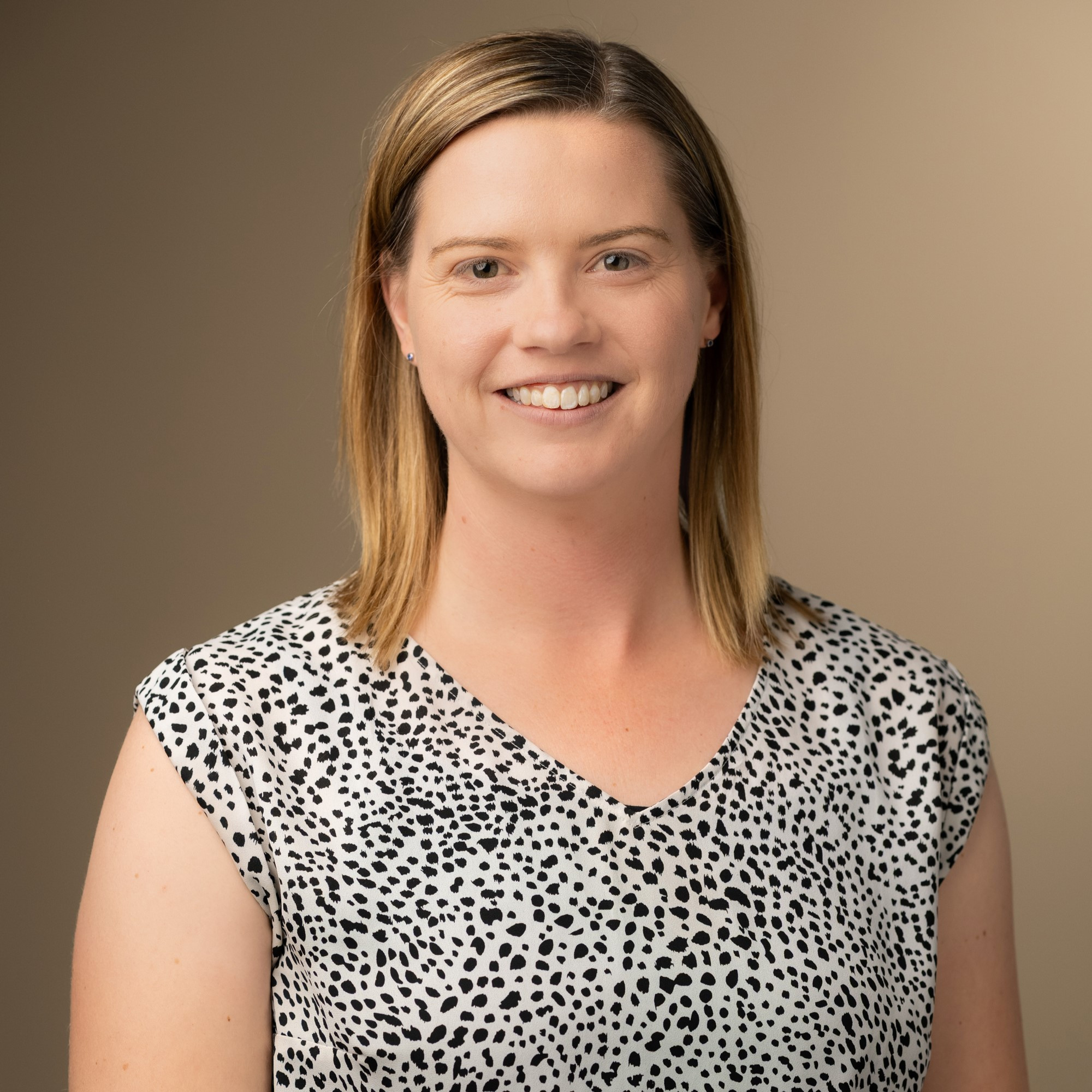
Funding: $50,000 Dr Olivia Morris Hanon In Mem Phil Matalone
Description: Glioblastoma recurs almost invariably despite aggressive treatment, causing seizures and cognitive or visual impairments. Tumour cells at the invasive edge connect with neurons via GABA and gangliosides, enabling survival.
Research: This project will investigate glioma–neuron connections and evaluate strategies to disrupt them, providing a foundation for more effective therapies.
Funding: $42,000 Assoc Prof Pascal Duijf
Description: This project aims to map glioblastoma at unprecedented resolution using AI trained on protein-stained tumour samples to identify 20 distinct cell types.
Research: Mapping cancer and immune cell organisation within the tumour microenvironment will improve diagnosis, guide treatment, reveal therapy resistance, and support future large-scale studies.
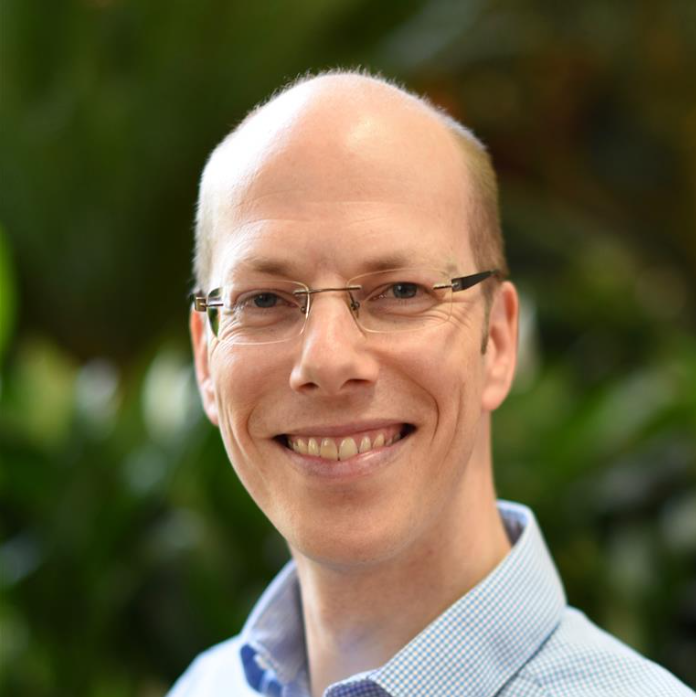
Funding: $30,740 In Memory of Elise Ross
Lead Researcher: Prof. Stuart Pitson
Description: Glioblastoma is highly invasive and heterogeneous, with complex interactions between tumour cells and the immune system. Current mouse models fail to fully replicate these human characteristics, limiting the translation of research into effective therapies.
Research / Proposed Approach: Develop humanized mouse models that: produce human immune cells and harbor brain tumours derived from patient glioblastoma cells. These models will allow researchers to study immune interactions and test therapies more effectively.
Funding: $100,000 (James & Diana Ramsay Foundation)
Lead Researcher: Dr. Lisa Ebert
Description: CAR-T cell therapy is a promising form of immunotherapy in which a patient’s own T cells are genetically engineered to target and destroy cancer cells. This “living drug” approach offers a more precise alternative to chemotherapy and radiation, reducing harm to healthy tissue. This project focuses on adapting CAR-T therapies to treat aggressive brain cancers, including glioblastoma and diffuse intrinsic pontine glioma (DIPG).
Research / Proposed Approach:
Develop CAR-T therapies by:
Isolating T cells from patients
Engineering them to target brain cancer cells
Testing and optimizing the therapies in laboratory models
Conducting clinical trials, including the LEVI’S-CATCH trial at Sydney Children’s Hospital
Research 2024/2025:
Funding: $200,000 over 3 years (2024–2026) – Fay Fuller Foundation, UniSA & NRF
Lead Researcher: Professor Stuart Pitson
Description:
This project aims to develop a new method for delivering anti-cancer drugs to brain tumours, with a focus on glioblastoma (GBM). Researchers will test the effectiveness of three drugs across diverse GBM cell types, evaluate whether an immune-modulating drug can help these drugs cross the blood-brain barrier, and assess the effects of combinational therapy in pre-clinical models. Successful outcomes will be of direct relevance to treatment of other brain tumour types and have the potential for rapid translation to clinical trials.
Research / Proposed Approach:
Test effectiveness of three anti-cancer drugs across diverse GBM cell types
Evaluate immune-modulating drug to aid delivery across the blood-brain barrier
Assess combinational therapy in pre-clinical models
Investigate applicability to other brain tumour types for rapid clinical translation
Funding: $375,000 over 3 years (2024/25–2026/27)
Funding Partners: SA Health ($100,000 p.a.), NRF ($20,000 p.a.)
Description:
Welcoming Hayley Henley as South Australia’s first-ever Statewide Brain Cancer Nurse Consultant. Supported by $375,000 in funding, Hayley has already assisted over 75 families in six months, underscoring the urgent need for this role.
Research / Proposed Approach:
Provide statewide support to brain cancer patients and families
Facilitate coordination of care and access to resources