


NRF Awards $1.53 Million for NeuroSurgical Research
The NRF are proud to announce a total of $1,530,489 in funding for 30 research projects and initiatives in 2026/2027
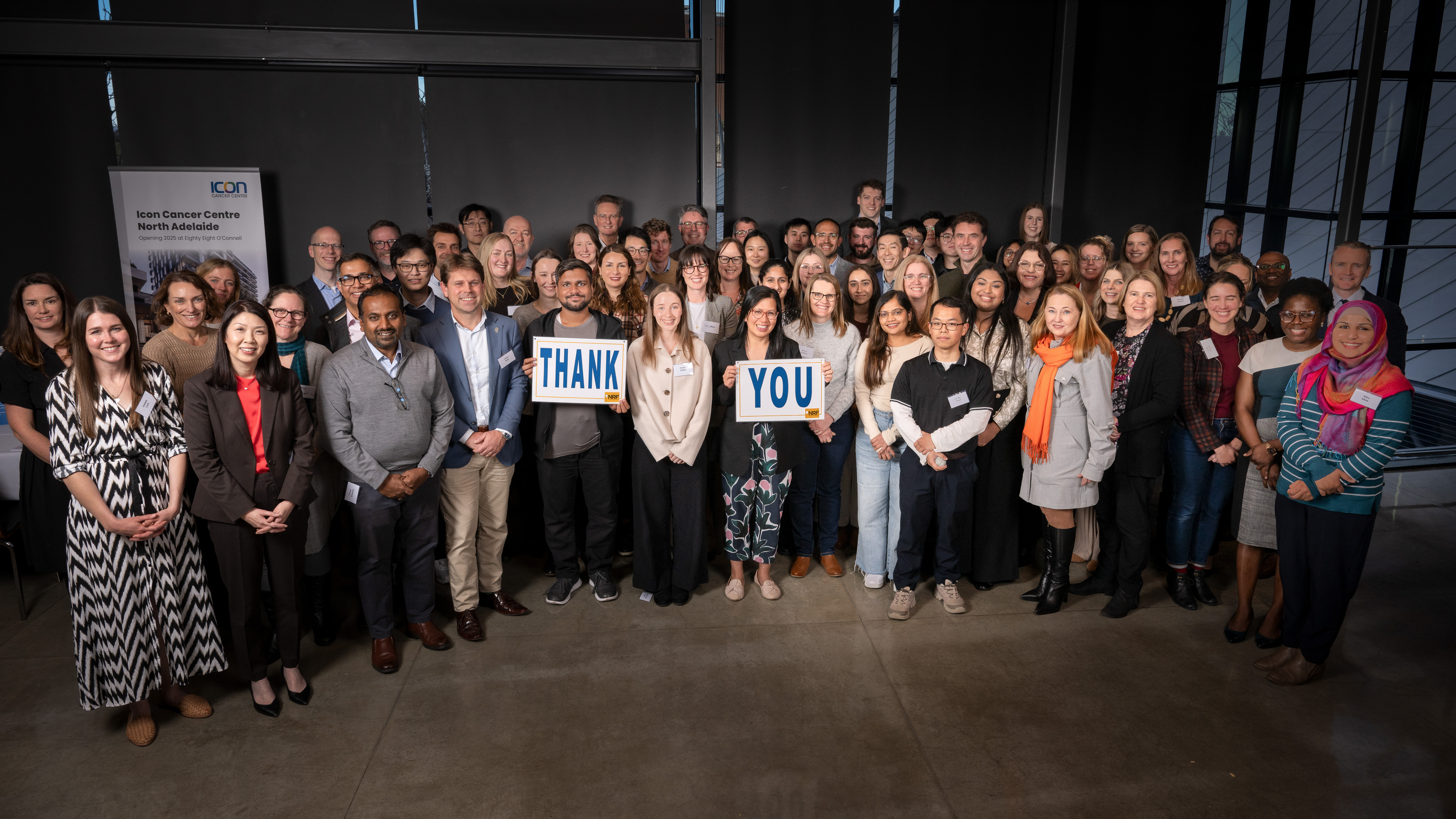
The NeuroSurgial Research Foundation are proud to annouce a total of $1,530,489 funding across 28 research projects and initiatives for 2026/2027.
Funding Overview
-
$1,002,918 for brain tumour research
-
$527,571 for neuro conditions research
-
Five grants and funding contributions supported through memorial giving, charitable trusts and organisational partnerships.
Key Research Areas and Projects:
Brain Tumour Research: $1,002,918
-
Prof Jillian Carr: $50,000 | Flinders University
Using viruses to target brain tumours
Investigating modified viruses that target glioblastoma cells while sparing healthy tissue, with the aim of developing targeted viral therapies. -
Dr Nirmal Robinson: $49,973.30 | Adelaide University
Developing a new therapeutic strategy to target a brain cancer protein
Developing drugs that target the ROBO2 protein, which brain tumour cells depend on to grow and spread. -
Prof Sharad Kumar: $49,998 | Adelaide University
Potential role of caspase-2-regulated extracellular vesicle release in glioblastoma
Investigating how extracellular vesicles contribute to brain tumour growth, spread and drug resistance. -
Dr Chloe Shard: $46,242 | Adelaide University
Investigating metabolic dependencies of tumour cells
Using a multi-omics atlas of patient tumour samples to identify potential therapies that block glioblastoma progression and overcome treatment resistance. -
Dr Tessa Gargett: $50,000 | Adelaide University
Engineering the future of CAR-T therapy for brain tumours
Supporting a Research Assistant PhD student to complete additional project aims and advance their career in brain tumour research. -
Dr Rebecca Ormsby / Mrs Bree Hodgson | South Australian Neurological Tumour Bank (SANTB)
Research Assistant position
Funding a Research Assistant position to maintain high-quality, timely support for neuro-oncology research groups using the SANTB's biospecimens and clinical data.
Funding: $120,136 per year for three years, with total funding listed as $637,818 for 2026 to 2028. -
Prof Quenten Schwarz: $49,672 | Adelaide University
Organoid modelling to decipher genotype-phenotype variability in neurofibromatosis
Using stem cell-derived organoids carrying patient-specific genetic mutations to investigate why neurofibromatosis affects people differently. -
Prof Stuart Pitson: $11,220 | Equipment grant
Decloaking Chamber ARC
Funding diagnostic-grade equipment to improve the consistency of antibody staining and support the translation of brain cancer research towards clinical applications. -
Prof Stuart Pitson: $100,000 | Adelaide University
Overcoming the blood-brain barrier for improved brain tumour therapy
Investigating methods to deliver anti-cancer drugs to brain tumours, including testing drug combinations in preclinical models. -
Prof Stuart Pitson: $10,000 | Adelaide University
Superior Preclinical Models of Human Glioblastoma
Developing humanised mouse models that better replicate human glioblastoma and immune interactions to improve therapy testing. -
Prof Cedric Bardy: $100,000 | SAHMRI / Flinders University
Clinical Trial: Trifluoperazine for Recurrent Glioblastoma
Testing the repurposed drug trifluoperazine in patients with recurrent glioblastoma to investigate its anticancer activity and potential to improve treatment outcomes. -
Dr Adam Wells: $125,000
Clinical and Preclinical Testing of Effects of Generic Compounds on the Activity of GD2-Specific CAR-T Cells Against Human Glioblastoma
Investigating ways to improve CAR-T cell therapy for recurrent adult glioblastoma, including studying factors that may limit its anti-tumour effects. -
Dr Olivia Morris Hannon: $65,500 | Perpetual
Targeting surgically evasive tumour cells to prevent diffuse glioma recurrence
Establishing patient-derived biobanks and organoid models to investigate tumour recurrence, identify new therapeutic targets and test emerging treatments. -
Dr Olivia Morris Hannon and Prof Quenten Schwartz: $35,000 | GPA Andrew Ursini Charitable Trust Donations 2026
Enhancing the Entry of Therapeutic CAR-T Cells into Brain Tumours
Purchasing four oxygen-regulable incubators to improve the culture of patient-derived brain tumour models and strengthen preclinical brain cancer research. -
Prof Quenten Schwartz: $20,000 | Paediatric Brain Tumour Research
Brain Cancer Discovery and Translation Grant: Childhood DMG
Co-funding support for a five-year federal grant investigating childhood diffuse midline glioma (DMG). Total grant funding: $100,000. -
Dr Kim Wark: $100,000 | Paediatric Brain Tumour Research
National RCD Foundation Data Project
Supporting the National RCD Foundation data project. -
Brain Tumour Nurse: $25,392 | Royal Adelaide Hospital
Brain Tumour Support Nurse
Extending the Brain Tumour Support Nurse position from 0.8 FTE to full-time for one year. - National Conferences in SA: $26,000 | COGNO and ABCARA sponsorship
Neuro Conditions Research: $527,571
-
A/Prof Alistair Jukes: $25,634 | Royal Adelaide Hospital
High-powered computer workstation for neurosurgical research
Supporting computationally intensive research across cerebrovascular neurosurgery, neurotrauma and adult and paediatric neuro-oncology. -
Dr Jamie Miller: $50,000 | Royal Adelaide Hospital
Surgical Occlusion of the Middle Meningeal Artery (SOMMA) for Chronic Subdural Haematoma
Investigating whether occluding the middle meningeal artery during initial surgery can reduce recurrence, hospital readmissions, procedural risks and healthcare costs. -
Dr Ryan Dorrian: $49,695 | Adelaide University
Cardiovascular Imbalances and Risk Characterisation Using Integrated Technologies following Spinal Cord Injury (CIRCUIT Study)
Investigating cardiovascular imbalances following spinal cord injury and their links to secondary conditions, including cardiovascular disease and cognitive decline. -
Dr Ryan Quarrington: $50,000 | Adelaide University
Traumatic Brain Injury (TBI) Research: Crowley Fund
Developing methods to estimate brain strain from smart mouthguard head-impact data and relate these measures to diffusion MRI markers of white matter changes in athletes. -
Prof Renee Turner: $91,001 | Adelaide University
Stroke Research: NHMRC Ideas Grant (2026 to 2030)
Supporting salary gap funding for two postdoctoral researchers, Dr Rebecca Hood and Dr Shannon Stuckey, to help deliver the research program and support emerging researchers. Total NHMRC grant funding: $455,005. -
Prof Renee Turner: $70,625.66 | Adelaide University
Cognition Boxes Equipment Grant
Funding four cognition boxes to measure cognitive outcomes 12 months after stroke, with potential applications for other local preclinical research. -
Prof Renee Turner: $65,500 | Equipment grant
Cognitive Assessment System
Supporting the assessment of cognitive outcomes in stroke research, with applications in traumatic brain injury and neurodegeneration research. -
Dr Aniket Nadkarni: $37,500 | Adelaide University
Exploring Sodium Ascorbate as a New Therapy to Treat Intracranial Hypertension
Investigating whether sodium ascorbate can safely reduce intracranial pressure and protect brain cells following traumatic brain injury. -
A/Prof Mark Plummer: $26,804 | Adelaide University
PhD Bridging Scholarship: Dr Sarah Howson
Supporting a bridging scholarship to enable the immediate commencement of PhD research into novel therapeutic strategies for subarachnoid haemorrhage. -
Dr Emma Whitham: $33,096
Ambulatory Video EEG System
Funding equipment for diagnostic use, with data collection to assess whether outcomes improve through its day-to-day use. -
Dr Jorn Van Der Veken: $31,000 | In memory of Kim McCoole
Using Artificial Intelligence and Brainwave Monitoring to Predict Recovery After Brain Surgery
Using artificial intelligence and non-invasive EEG monitoring to identify brain network changes and predict long-term cognitive recovery, supporting earlier detection and more personalised postoperative care.
