



Celebrating the Future of Brain Tumour Research
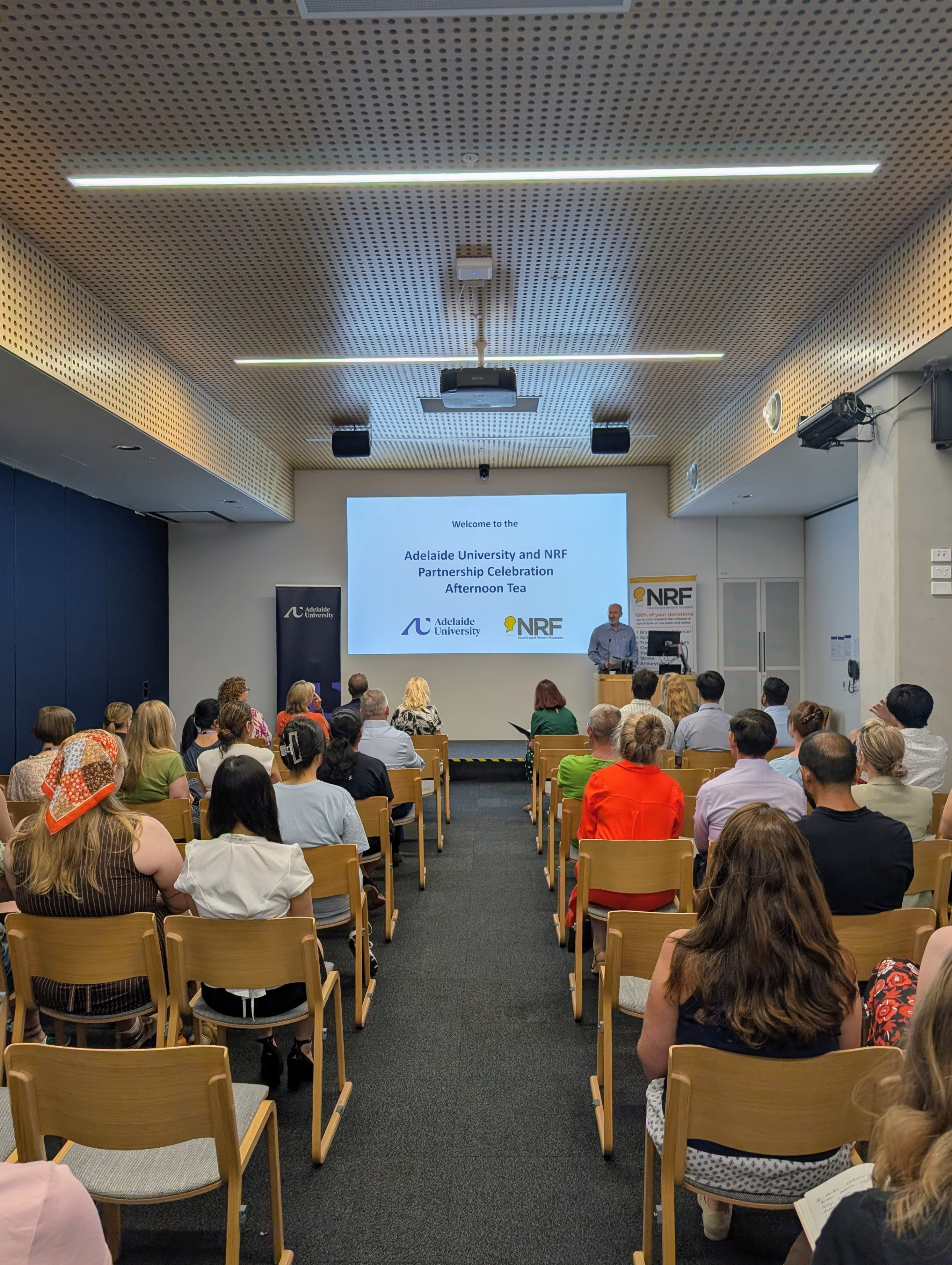
The NeuroSurgical Research Foundation (NRF) recently celebrated its 2026 Brain Tumour Scholarship and Chris Adams Research Grant recipients at a special event hosted by Adelaide University, bringing together researchers, donor families, and supporters. These awards give students the chance to gain hands-on experience in labs while contributing to meaningful brain tumour research, while the Chris Adam Research Grant supports an early career researcher to progress their innovative work.
NRF Executive Officer Ginta Orchard highlighted the impact of donor support:
“Since July, the NRF has committed over $2.1 million to 47 projects across South Australia, including research grants, equipment, training and clinical trials. While that funding is unfortunately necessary, we are incredibly proud to support researchers at every stage of their careers.”
She also emphasised the multiplier effect of NRF funding:
“We are seeing small grants act as the foundation for projects that go on to attract significant national funding — helping ideas start, grow and ultimately benefit patients.”
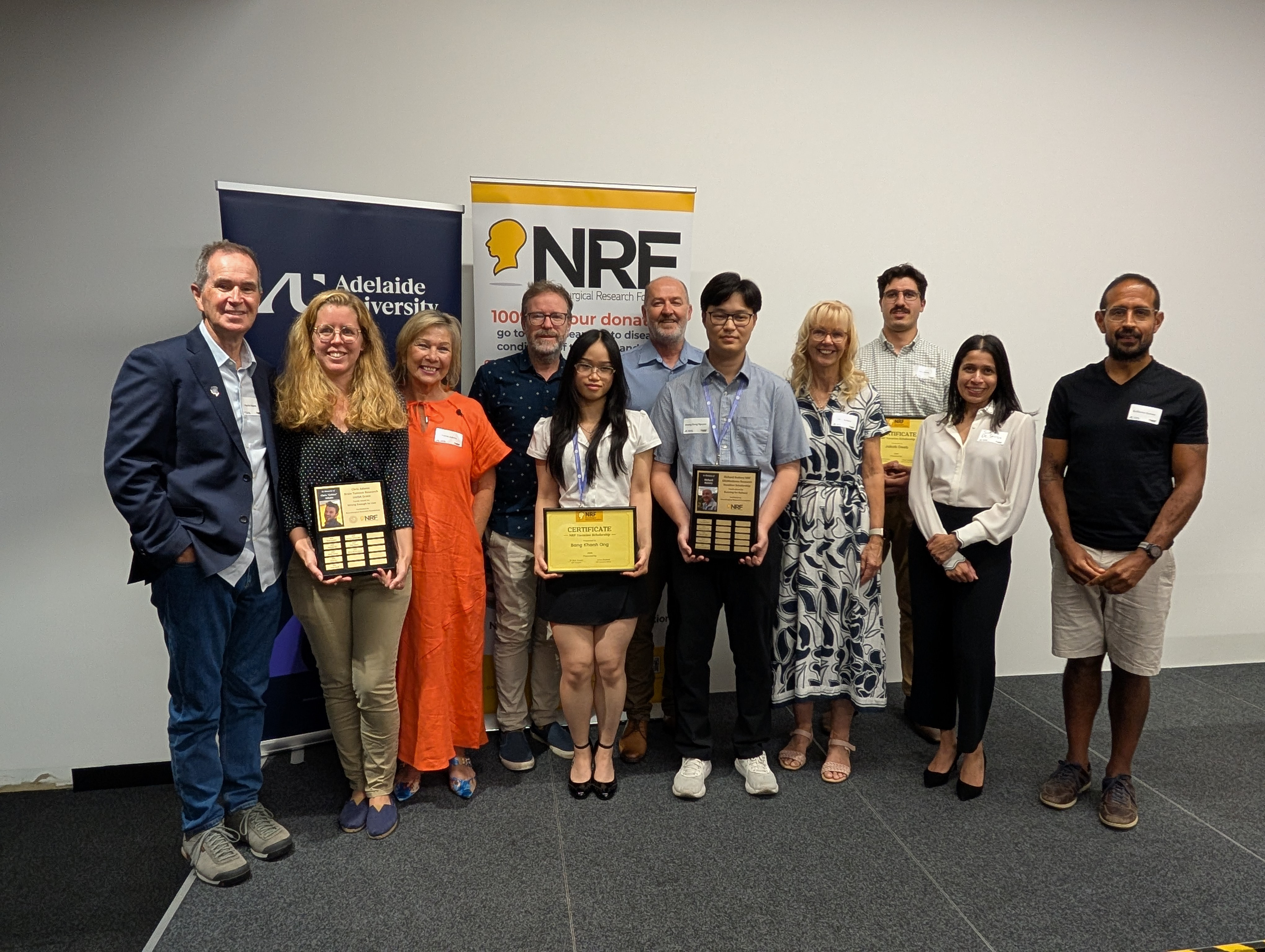
2026 Brain Tumour Scholarship & Grant Recipients
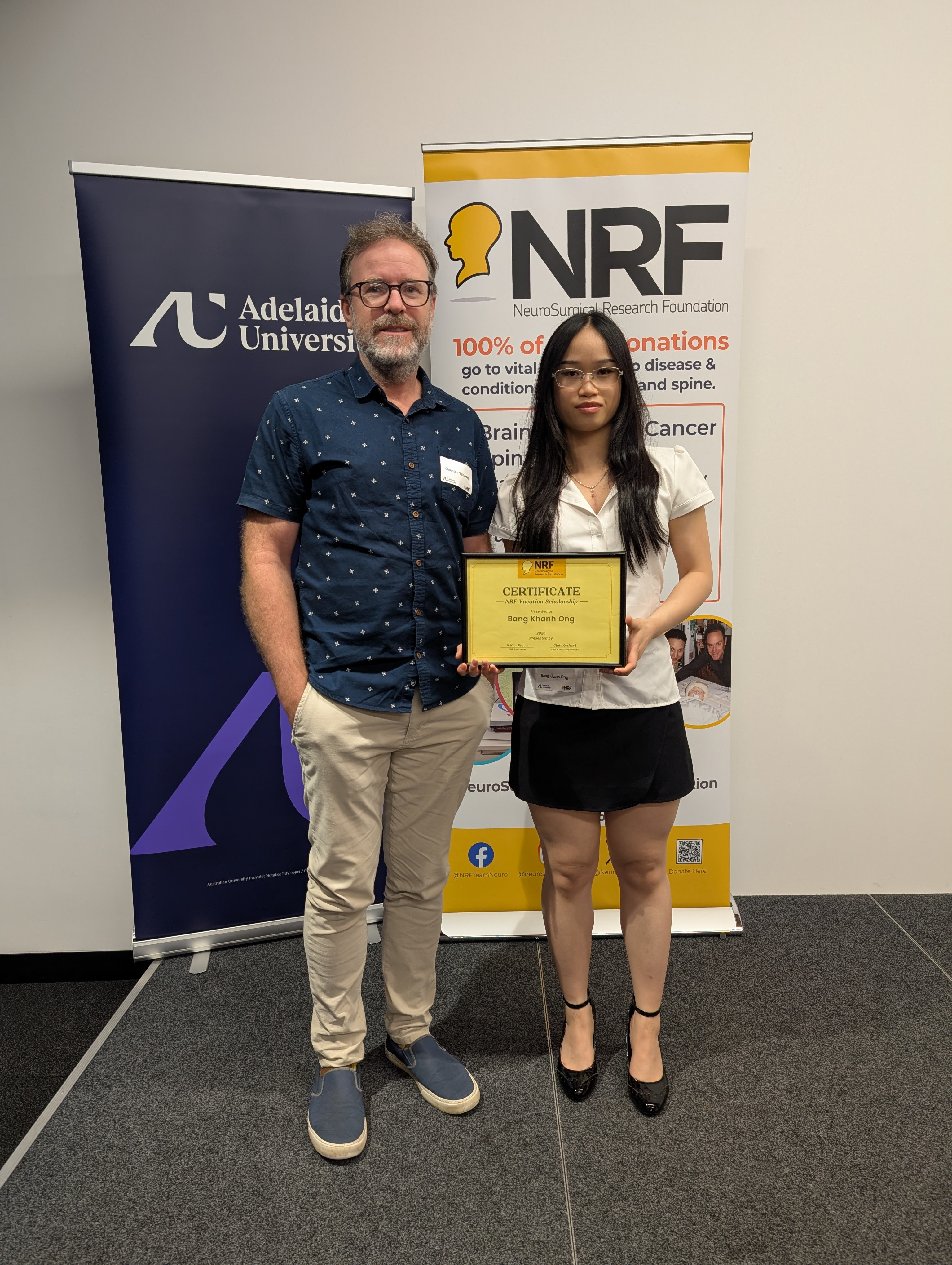
Bang Khanh Ong – NRF Vacation Research Scholarship Supervisor: A/Prof Quenten Schwarz Project: Using stem cell differentiation models to uncover new genetic origins of childhood brain cancer
Bang’s work aims to identify genetic variants that predispose children to high-risk brain tumours, including diffuse midline glioma. Using stem cell and organoid models, the research could inform future diagnostics and less toxic therapies.
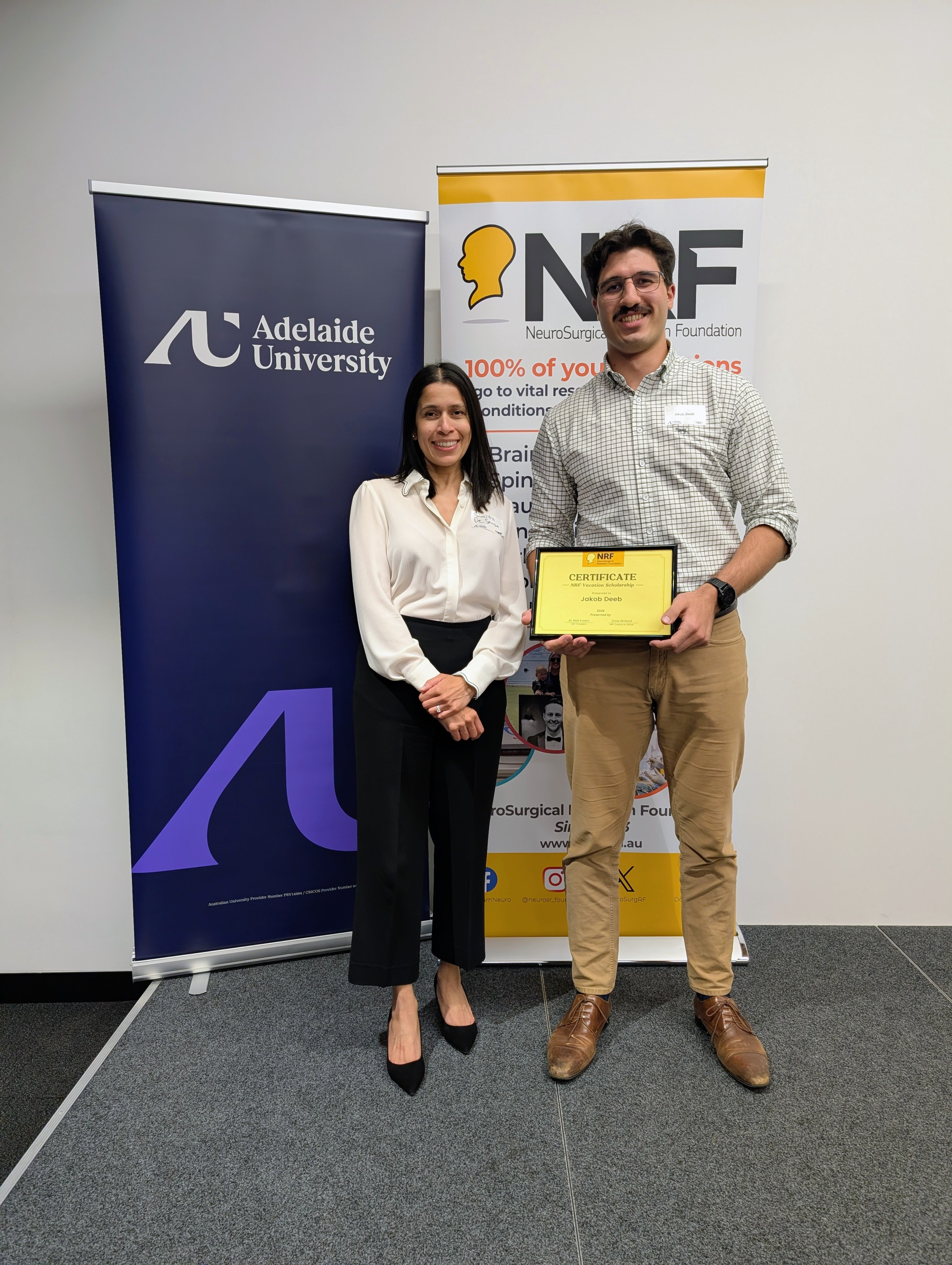
Jakob Deeb – NRF Vacation Research Scholarship Supervisor: A/Prof Sunita De Sousa Project: Investigating genetic drivers of pituitary tumour development
Jakob is exploring the role of genes not traditionally linked to pituitary tumours. His work will assess how these genes affect tumour growth, DNA repair, and hormone production — essential for better understanding and early detection.
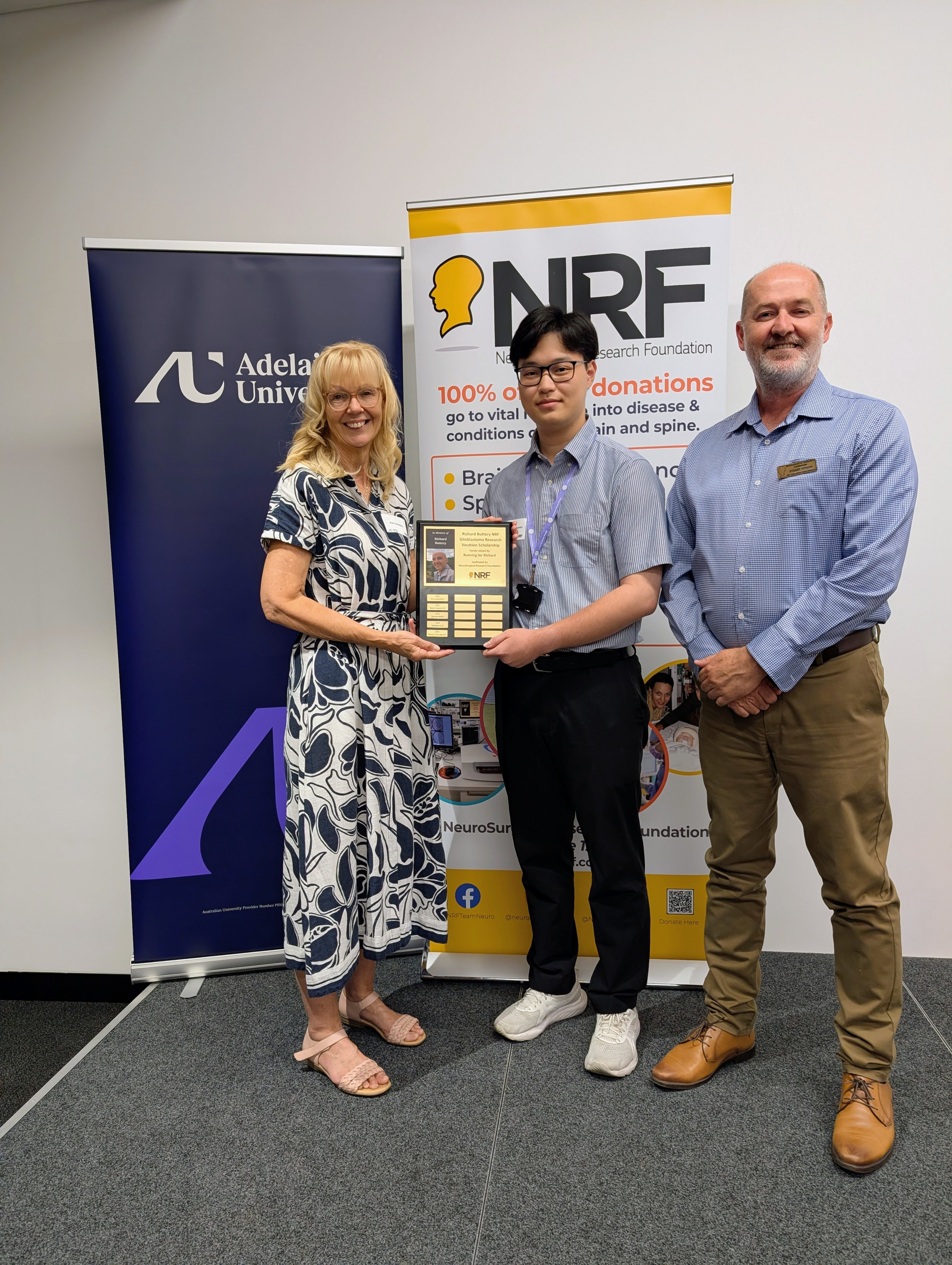
Hoang Dung Nguyen – Richard Buttery NRF Glioblastoma Vacation Research Scholarship Supervisor: Prof Stuart Pitson Project: Assessing potential new therapies for diffuse midline glioma
This scholarship honours Richard Buttery, who passed away from glioblastoma in 2015. Hoang’s project examines combinations of existing anti-cancer drugs to identify therapies that may be highly effective against DMG cells. Because these drugs can cross the blood–brain barrier, positive findings could rapidly advance to clinical trials.
Dr Olivia Morris Hanon – Chris Adams Research Grant Project: Neuronal signals that drive glioblastoma recurrence
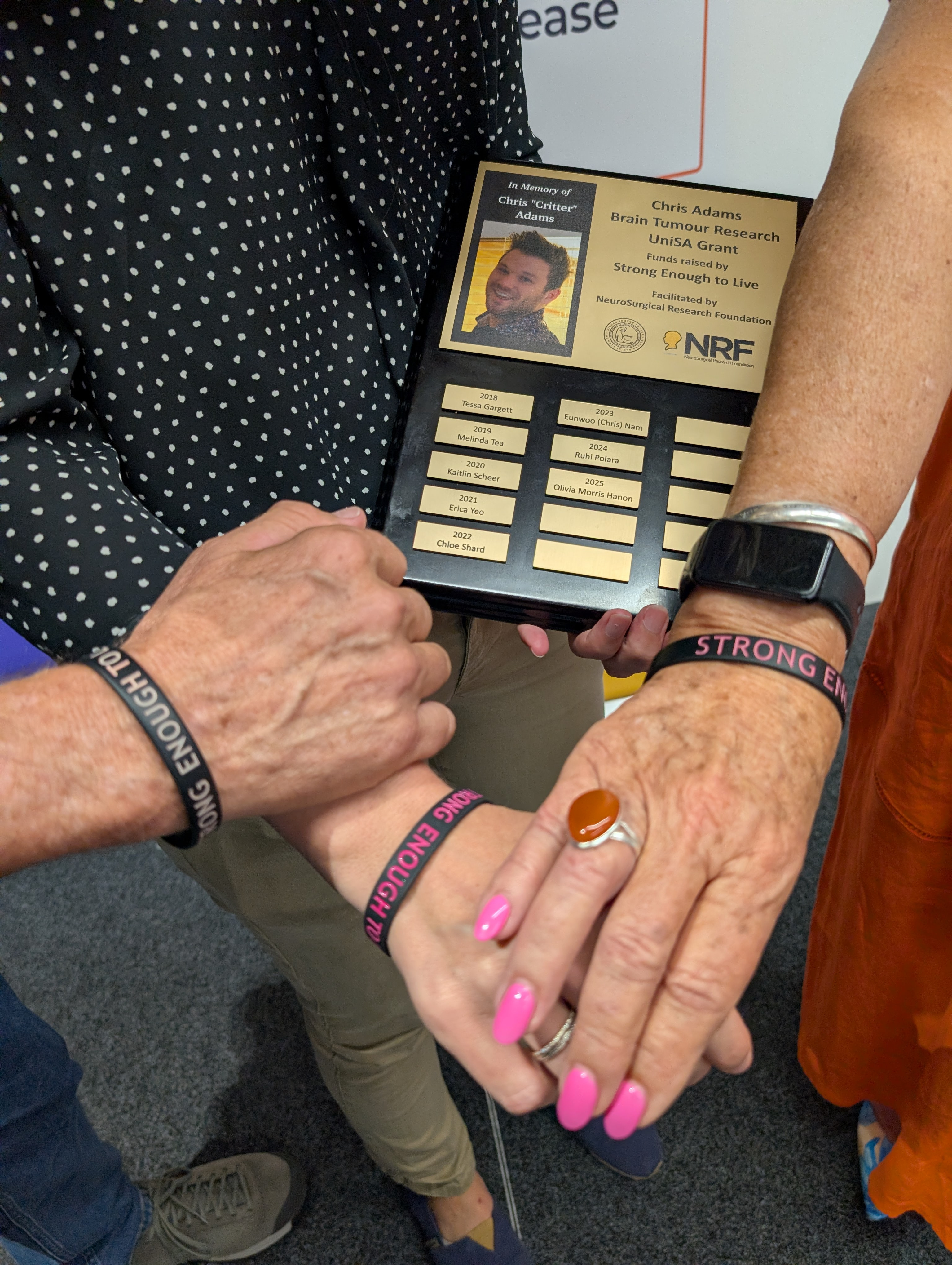
This project honours Chris “Critter” Adams who passed away in 2015, aged 26. Olivia’s research investigates how some glioblastoma cells can act like neurons, forming connections with healthy brain cells and surviving therapy.
Using advanced glioblastoma organoids alongside stem-cell-derived brain organoids, this project recreates the tumour “edge” — the critical interface where cancer meets healthy brain tissue. The grant supports training in cutting-edge techniques and an interstate collaboration with neuroscientists at the University of Queensland that will allow Olivia’s team to adapt technologies traditionally used in epilepsy research to better understand — and potentially disrupt — these tumour–brain connections.
During the presentation, Olivia was gifted a Strong Enough to Live wristband by the Adams family — a touching moment that symbolised the connection between research, legacy, and patient impact.
“I want to thank the Adams family, the NRF, my collaborators, and especially the patients and families — the reason we do this work,” Olivia said.
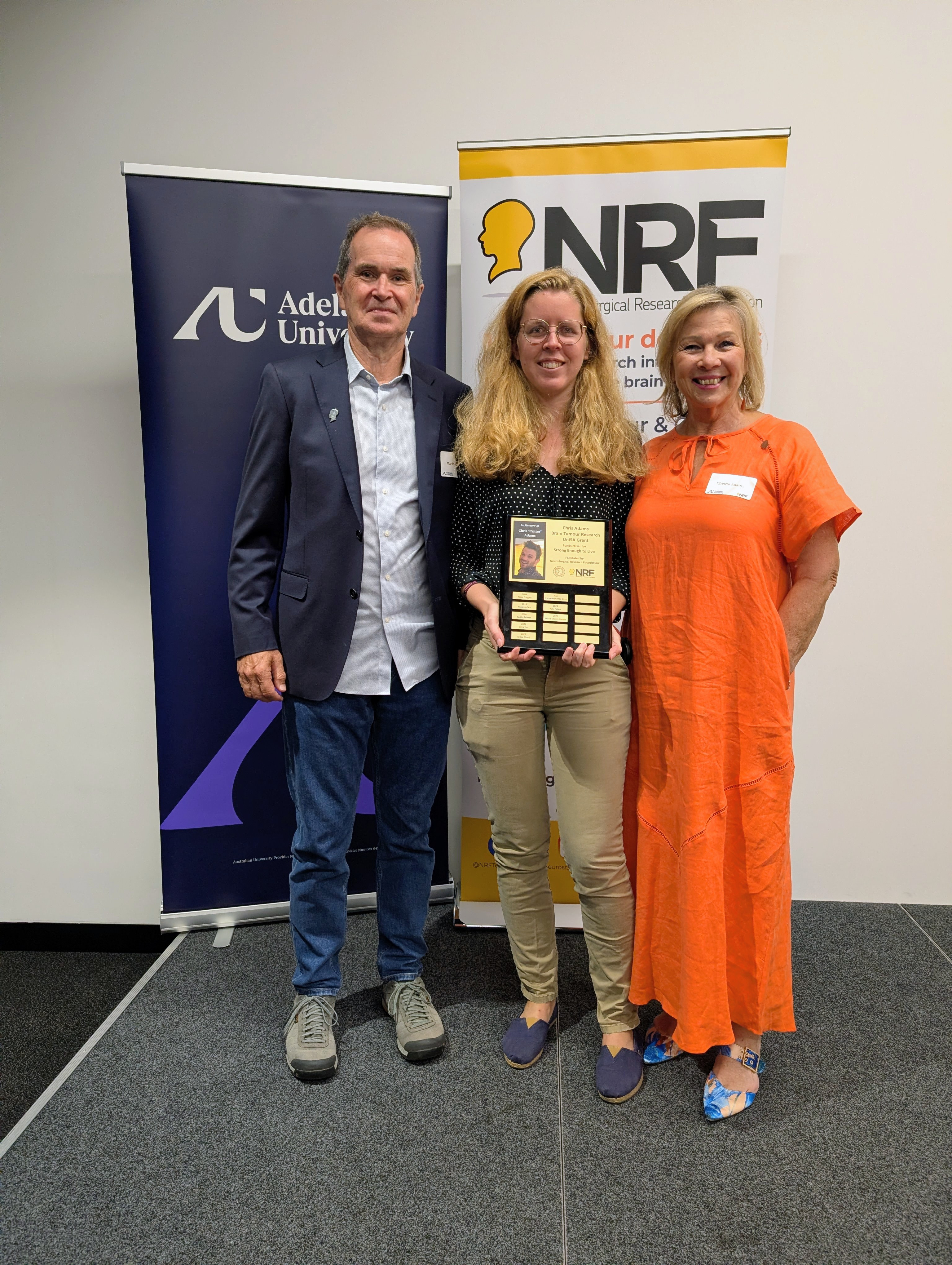
Our wonderful Donor families were at the heart of the celebration.
Kerry Buttery and Cherrie Adams both sharing deeply moving personal reflections on loss, advocacy and hope.
“I feel like today’s patients have a tiny bit of hope. Maybe for just less invasive treatments that improve quality of life. Quality of life is so important. How can you make the most of the time you have left when sometimes treatment feels worse than the tumour itself?” Kerry Buttery shared, "I'm very proud to be involved with the NRF and Adelaide University."
For Cherrie Adams, whose son Chris established Strong Enough to Live just weeks after his diagnosis, the message to researchers was unwavering:
“We see you. We hear you. We value you, and we witness the work that you do. We will always be your supporters. We will always be in your corner.”
NRF extends its sincere thanks to the Adams and Buttery families, Strong Enough to Live, and all our supporters whose generosity enables these scholarships and grants, helping to invest in the next generation of brain tumour researchers and improve outcomes for patients and families.
